Over-the-Counter Weight Loss Pills: What's Legal, What Works, and What to Skip
Quick Answer: Do Over-the-Counter Weight Loss Pills Actually Work?
Some help a little; most do far less than their labels imply. Over-the-counter weight loss pills are dietary supplements, so the FDA does not pre-approve them, and only a few actives — caffeine, green tea, and fibre — have credible human evidence. Any effect is modest and appears only alongside a calorie deficit. Choose fully dosed, GMP-made products, and skip the stimulant megadoses.
- Real, modest actives: caffeine and green tea catechins for thermogenesis; viscous fibre for fullness.
- No pre-approval: supplements are regulated after sale, not approved before it — the label is on you to vet.
- Skip the red flags: hidden proprietary blends, stimulant megadoses and "no diet needed" promises.
Roughly 22,000 people a month type some version of "over the counter weight loss pills" into a search bar, and it is easy to see why: they want results without a prescription, a doctor's appointment or a waiting room. What they run into instead is a wall of near-identical bottles, each shouting a bigger number than the last. This guide cuts through that. We will cover what is actually legal to sell, which actives have human evidence behind them, and the specific red flags that separate a defensible product from a gimmick — so you can spend your money on the former.
The honest headline first, because it shapes everything else: no pill in this category is a shortcut. The actives that do anything measurable produce small effects, and they produce them only when a reduced-calorie diet and some activity are doing the real work underneath. Anyone selling you more than that is selling you a story. With that frame set, the details are genuinely useful.
What counts as an over-the-counter weight loss pill?
The phrase covers two very different things that get blurred together on retail shelves. The first is a small number of genuine over-the-counter drugs — orlistat, sold at a lower dose without a prescription, is the clearest example. It is regulated as a medicine, with an approved dose and a defined mechanism. The second, and by far the larger group, is dietary supplements: capsules, tablets and gummies marketed for "fat burning," "metabolism" or "appetite," built from caffeine, plant extracts and fibre. When people search for over-the-counter weight loss pills, this second group is almost always what shows up.
The distinction matters because the two are held to completely different standards. An OTC drug has cleared the bar of proven safety and effectiveness for its stated use. A supplement has not, and legally does not have to before it is sold. That is not a scandal — it is simply how the category is structured — but it does mean the burden of judging quality shifts onto you, the buyer. The rest of this guide is about doing that job well.
The OTC actives with actual evidence
Strip away the branding and most of these products are built from four or five recurring ingredients. Here is where each one honestly stands.
Caffeine is the workhorse. It reliably produces a small, short-term bump in energy expenditure and fat oxidation, and it is the active most likely to make you feel like a product is doing something. That feeling is real but limited; tolerance builds within weeks, and the effect on actual body weight is modest. Caffeine's main value in a formula is as a mild thermogenic and a companion to green tea, not as a stand-alone fat burner.
Green tea extract supplies catechins, chiefly EGCG, which appear to work best in combination with caffeine. A Cochrane review of green tea preparations found a small effect on body weight, with wide confidence intervals — real, but not dramatic. It is one of the better-supported ingredients in the category, which tells you how modest the category's ceiling is. We go deeper into the trial data in our review of the evidence behind green tea, green coffee and garcinia for weight loss.
Garcinia cambogia, standardised for hydroxycitric acid (HCA), is the appetite-oriented member of the group. Its evidence is genuinely mixed: meta-analyses point to a small average effect, and a landmark trial found none at all. It is well tolerated at label doses and is a reasonable inclusion, but not a reason to buy on its own.
Fibre — particularly viscous, gel-forming types — is the quiet performer for appetite. By slowing gastric emptying and increasing fullness, fibre can make a calorie deficit easier to sustain, which is the whole point. It does not "burn" anything; it makes the eating side of the equation less of a fight.
| Active | What it does | Honest evidence level |
|---|---|---|
| Caffeine | Mild thermogenesis, energy, appetite blunting | Consistent but small; tolerance builds |
| Green tea (EGCG) | Fat oxidation, works with caffeine | Modest, best-supported of the group |
| Garcinia cambogia (HCA) | Appetite / satiety support | Mixed; small average effect at best |
| Viscous fibre | Fullness, slower gastric emptying | Good for appetite, not for "burning" fat |
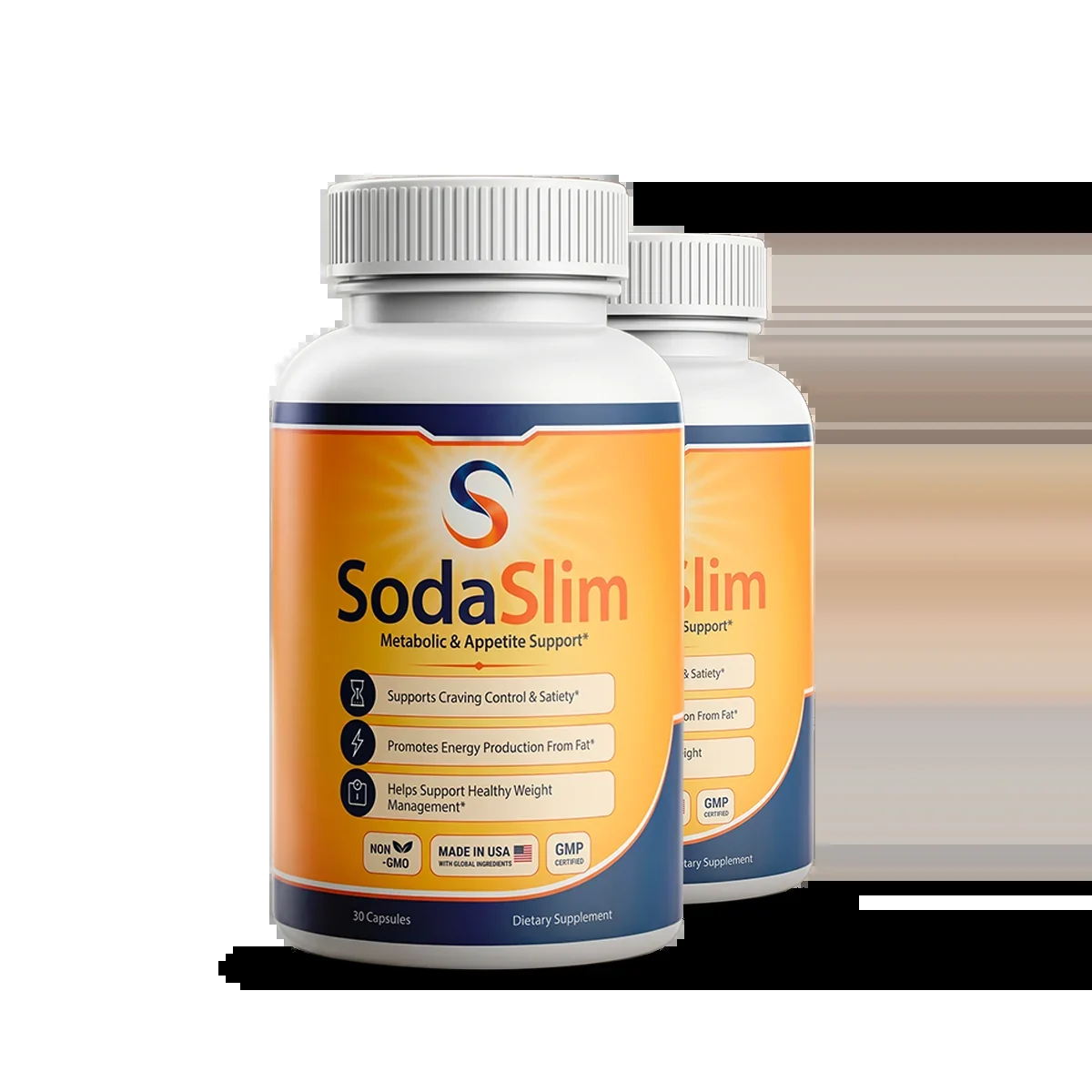
Want the same thermogenics without swallowing capsules?
SodaSlim delivers green tea, green coffee and garcinia as a once-daily drink instead of a pill — with every amount printed on the label and the current official-store offer.
See the Official Store OfferAre over-the-counter weight loss pills FDA approved?
This is the single most important thing to understand, and the answer is short: the FDA does not pre-approve dietary supplements. Under the framework that governs them, manufacturers are responsible for making sure their products are safe and honestly labelled, but they do not have to prove either to the FDA before selling. The agency steps in after a product is on the market — it can act against unsafe supplements, seize tainted batches and issue warnings — but "FDA registered facility" is not the same as "FDA approved product," and no legitimate supplement can claim the latter.
Read that as a reason to be careful, not cynical. Plenty of responsible companies make genuinely good products inside this framework. What the lack of pre-approval means is that the usual signals of quality — a manufacturer's standards, transparency and testing — carry more weight than they would with a drug. Which is exactly what the next section is about.
What to demand: GMP, a fully dosed label, and no hidden blends
Three requirements separate a product worth your money from one that is not. Treat them as non-negotiable.
A GMP, FDA-registered facility. Good Manufacturing Practice is the baseline for consistency and cleanliness — that what is on the label is actually in the capsule, in the amount stated, without contaminants. It is not a claim about effectiveness, but a product made outside those standards is a gamble on identity and purity alone.
A fully dosed, transparent label. You want to see each active and its exact milligram amount, so you can compare it against what the research used. The enemy here is the "proprietary blend": a single combined number covering several ingredients, which lets a maker put a pinch of the expensive actives behind a wall of caffeine and cheap filler. If you cannot see the individual doses, you cannot judge the product — and that is usually the point. A short list at honest doses beats a long list you cannot verify.
Third-party testing. Independent verification that the contents match the label is the strongest signal a supplement company can send, precisely because nobody forces them to do it. It is not universal, but its presence is a meaningful mark in a product's favour.
If a label hides its doses inside a proprietary blend, it has answered the quality question already — just not in its own favour.
What to skip: stimulant megadoses and impossible promises
The fastest way to a bad experience is a product that treats stimulants as the whole strategy. Megadosing caffeine and other stimulants can make you feel wired and slightly suppress appetite, but it also brings jitters, poor sleep, a racing heart and, in sensitive people, real cardiovascular strain — and none of it translates into meaningful fat loss. More stimulant is not more results; it is more side effects.
The other category to avoid is the promise itself. "Melt fat while you sleep," "no diet or exercise required," "lose 30 pounds in a month" — these are not aggressive marketing, they are claims the evidence cannot support, and in the case of disease or drug-strength language, claims a supplement legally cannot make. A product that talks like a miracle is telling you it has nothing better to offer. The honest ones sound almost boring by comparison, and that restraint is a feature.
How much caffeine is actually safe?
Because caffeine is the active most likely to cause trouble, it deserves its own number. Health authorities generally regard up to about 400 mg a day as safe for most healthy adults — roughly four cups of brewed coffee. A single serving of a stimulant weight-loss pill can carry 150–300 mg on its own, and that lands on top of whatever coffee, tea, energy drinks or pre-workout you already consume. It adds up faster than people expect.
Two practical rules follow. First, total your caffeine from all sources, not just the pill, and keep the sum under that ceiling — lower if you are sensitive, pregnant, nursing, or taking medication that interacts with stimulants. Second, treat any product that will not tell you its caffeine content as disqualified. If a maker hides the one number most likely to affect how you feel, that is all the information you need.
Where SodaSlim fits — thermogenics as a drink, not a pill
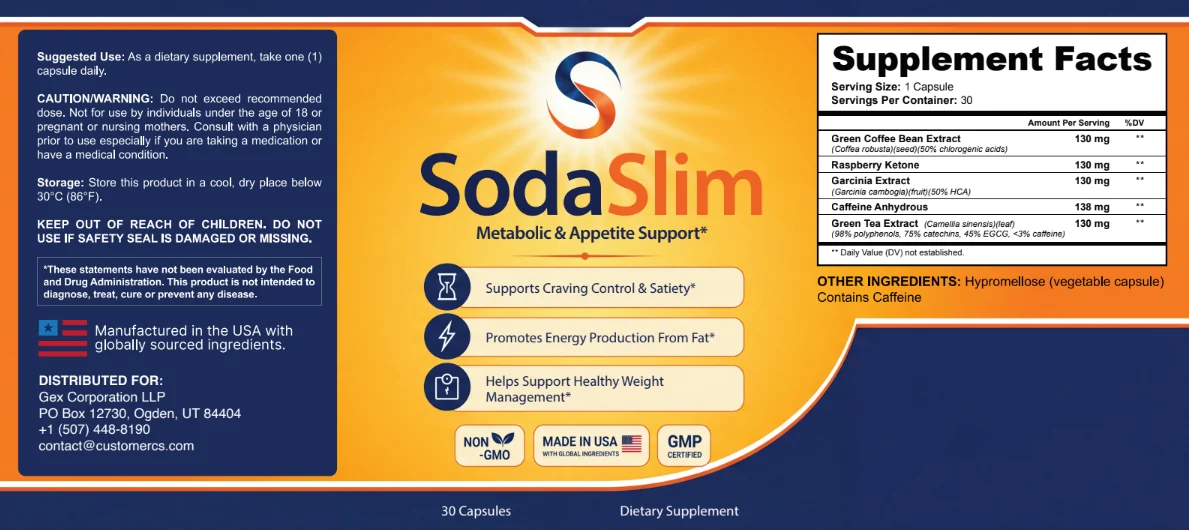
SodaSlim takes a different route through the same category. Instead of another capsule to swallow, it delivers its thermogenic actives — green coffee bean, green tea, garcinia cambogia and related botanicals — as a once-daily drink, with each ingredient and its amount printed on the panel rather than buried in a blend. The format is the pitch: a drink is easy to build into a morning routine, and a transparent label is easy to check against the evidence we have already walked through.
It is not magic, and we will not pretend otherwise — the same honest ceiling applies to it as to everything else here, and it works alongside a calorie deficit, not instead of one. But if you have decided you want a thermogenic support product and you have vetted it the way this guide describes, a fully dosed, GMP-made drink is a reasonable way to take those actives without adding another pill to the pile. You can read the ingredients and the current pricing on the official store.
Frequently asked questions
What OTC weight loss pill works best?
None of them is a stand-out, and any product promising one is overselling. The actives with the most credible human evidence are caffeine and green tea catechins for a small thermogenic effect, and viscous fibre for appetite and fullness. Even those produce modest results and only alongside a calorie deficit. The best over-the-counter option is a fully dosed, GMP-made product whose label matches what the research actually used.
Are OTC diet pills FDA approved?
No. Over-the-counter diet pills are almost always dietary supplements, and the FDA does not pre-approve supplements for safety or effectiveness before they go on sale. The FDA regulates them after the fact and can pull unsafe products, but pre-market approval only applies to prescription and OTC drugs. This is exactly why the label, the manufacturing standard and third-party testing matter so much.
Can OTC pills replace prescription drugs?
No. Prescription weight-loss medications are a different category with clinical-trial evidence, a defined dose and medical supervision, and no over-the-counter supplement matches them. OTC pills can offer a modest assist to diet and activity, but they are not a substitute for prescribed treatment. If you are considering medication, that is a conversation to have with a doctor, not a swap to make on your own.
How much caffeine is safe per day?
Health authorities generally consider up to about 400 mg of caffeine a day safe for most healthy adults, roughly four cups of coffee. Weight-loss pills can push you past that quickly, especially stacked with your normal coffee. Add up every source, respect a lower ceiling if you are sensitive, pregnant or on medication, and treat any product that hides its caffeine amount as a reason to walk away.
Medical note: this article is general information, not medical advice. Speak to a healthcare professional before starting any supplement, especially if you are pregnant, nursing, sensitive to caffeine, or taking medication.
Scientific references
- U.S. FDA — Questions and Answers on Dietary Supplements (regulation and approval)
- Jurgens T. et al. — Green tea for weight loss and weight maintenance in overweight or obese adults, Cochrane Database of Systematic Reviews
- NIH NCCIH — Dietary Supplements for Weight Loss: What You Need To Know
- EFSA — Caffeine: safe daily intake for adults
- Mayo Clinic — Caffeine: How much is too much?
Related reading
- The best weight loss pills and what actually works — how the top-selling actives stack up head to head.
- A weight loss supplement buyer's checklist — seven points to vet any fat burner before you pay.
- The appetite suppressant that actually works — what genuinely blunts hunger versus what only claims to.
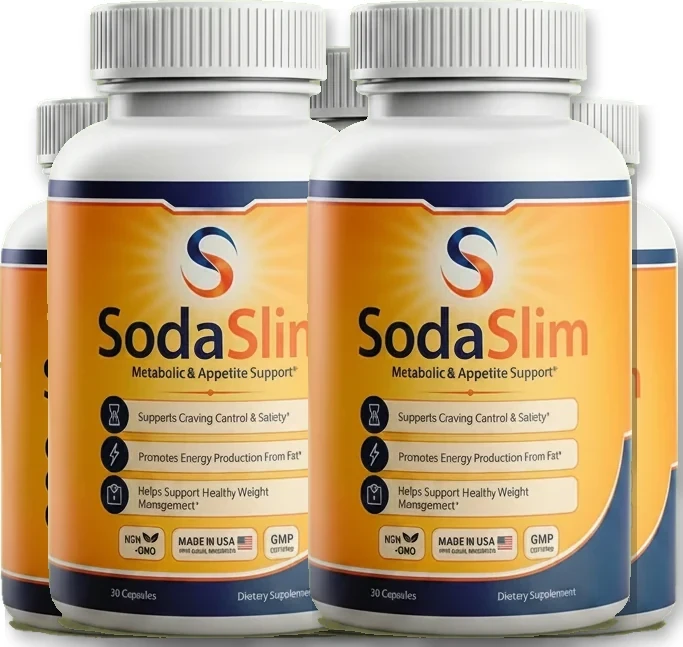
Skip the pill pile — try a thermogenic drink instead
If you have vetted the label the way this guide describes, SodaSlim puts green tea, green coffee and garcinia into one daily drink — GMP-made, fully dosed, with free US shipping and a 60-day money-back window on the official store.
Check the Official Store Offer