Green Tea, Green Coffee and Garcinia for Weight Loss: What the Research Actually Shows
Quick Answer: Do These Ingredients Actually Help You Lose Weight?
Two of the four have modest support, and two are weak. Green tea catechins with caffeine, and green coffee's chlorogenic acid, show small effects on weight in reviews — most visible alongside a reduced-calorie diet. Garcinia cambogia has largely failed to beat placebo in controlled trials, and raspberry ketones have essentially no human evidence at all. None of these is a shortcut, and none works without diet and activity behind it.
- Best supported: green tea extract (EGCG + caffeine), modest effect.
- Some support: green coffee chlorogenic acid, small trials, mixed quality.
- Weak: garcinia cambogia (failed a landmark trial) and raspberry ketones (no human data).
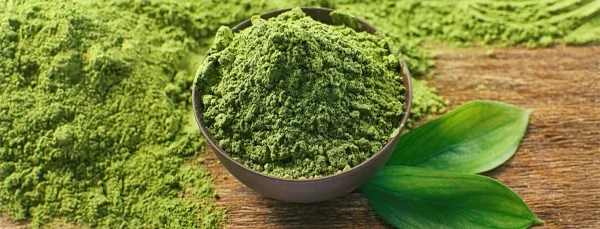
Green tea and green coffee: modest but real
Green tea extract is the most-studied ingredient in this category. A Cochrane systematic review of green tea preparations for weight loss found a small effect on body weight in overweight and obese adults, but the confidence intervals were wide and the changes were not large. The working mechanism is a mild increase in energy expenditure and fat oxidation, driven by the interaction between the catechin EGCG and caffeine — which is why decaffeinated versions tend to show weaker effects.
Green coffee bean extract, standardised for chlorogenic acid, points in the same direction. Several small trials reported modest weight reductions, but a number were low quality or industry-funded, and independent reviewers have flagged that the better-designed studies show smaller effects. Honest summary: a possible small nudge, with caffeine along for the ride.
Garcinia cambogia: the landmark null result
Garcinia cambogia, which supplies hydroxycitric acid (HCA), is the ingredient with the clearest disappointment behind it. In 1998, a rigorous randomised controlled trial published in JAMA compared garcinia against placebo in overweight participants and found no significant difference in weight or fat loss. Later reviews have been mixed at best, with any positive effects small and inconsistent. It is included in blends for appetite support, but the evidence does not support treating it as a reliable fat burner.
Raspberry ketones: popular, not proven
Raspberry ketones became popular after television promotion, but the science never caught up. The encouraging results come from test-tube and rodent studies, often at doses a human would need to eat many kilograms of raspberries (or a very large supplement dose) to approach. There is no good human clinical trial showing raspberry ketones cause weight loss. The fair description is a marketing ingredient.
What the evidence supports, in one table
| Ingredient | What the research supports |
|---|---|
| Green tea extract (EGCG) | Small effect on weight with caffeine, alongside diet (Cochrane) |
| Green coffee (chlorogenic acid) | Modest, mixed-quality trials; smaller effect in better studies |
| Garcinia cambogia (HCA) | No significant benefit vs placebo in a landmark RCT |
| Raspberry ketones | Cell/animal data only; no human weight-loss evidence |
Where the evidence stops
Two honest limitations are worth stating plainly. First, a finished multi-ingredient supplement is not the same as any single studied dose — the ingredients can each have some evidence while the specific product has never been trialled. Always check a label's milligram amounts against what the studies actually used. Second, and more important: none of these ingredients works without a calorie deficit. In every trial where they helped at all, diet and activity were doing the heavy lifting. A capsule is, at best, a small assist — and a safety note matters too, since high-dose green tea extract and garcinia have both been linked in rare reports to liver injury.
Medical note: this article is general information, not medical advice. Speak to a healthcare professional before starting any supplement, especially if you are pregnant, nursing, sensitive to caffeine, or taking medication.
Scientific references
- Jurgens T. et al. — Green tea for weight loss and weight maintenance in overweight or obese adults, Cochrane Database of Systematic Reviews
- Heymsfield S.B. et al. — Garcinia cambogia (hydroxycitric acid) as a potential antiobesity agent, JAMA (1998)
- NIH NCCIH — Dietary Supplements for Weight Loss: What You Need To Know
- Mayo Clinic — Green coffee bean extract for weight loss
- NIH LiverTox — Green Tea and Garcinia Cambogia (hepatotoxicity)
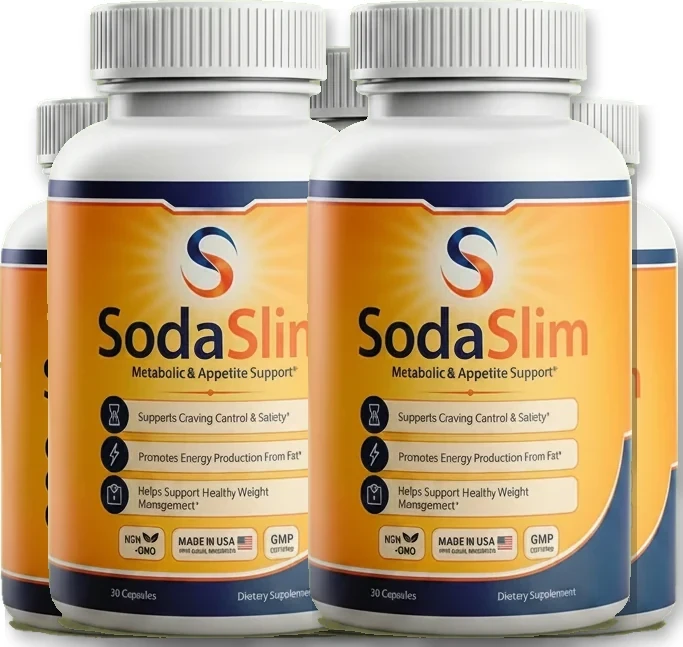
See how SodaSlim puts this together
Green coffee bean, green tea, garcinia and raspberry ketones in one daily capsule — with every ingredient and its evidence laid out.
Read the SodaSlim Review