The Weight Loss Supplement Buyer's Checklist: 7 Things to Vet Before You Pay
Quick Answer: How Do You Vet a Weight Loss Supplement?
Run any weight loss supplement through seven checks before you pay: is it fully dosed, how much caffeine per serving, is it GMP-made, is it third-party tested, are the claims realistic, what does the refund window actually say, and what are the auto-ship terms? A product that passes all seven is rarely a gimmick. One that hides its doses or its billing usually is.
- Transparency first: every active and its dose must be visible — no proprietary blends.
- Read the billing, not just the bottle: refund windows and auto-ship terms decide your real cost.
- Realistic beats dramatic: honest products make small, defensible claims.

About 27,000 people a month search for a weight loss supplement, and most of them are one enthusiastic sales page away from spending money on something they cannot actually evaluate. That is the problem this checklist solves. Skepticism on its own just leaves you paralysed; what turns skepticism into smart buying is a short, repeatable set of checks you can run on any product in a couple of minutes. Get through all seven and you will know, before you pay, whether a bottle is worth your money or your suspicion.
None of these checks require a nutrition degree. They require reading the parts of the page that makers would rather you skipped — the supplement facts panel, the fine print under the guarantee, the checkbox that signs you up for a recurring charge. Let's go through them in the order that saves you the most trouble.
Point 1: Is the weight loss supplement fully dosed, or a proprietary blend?
This is the check that eliminates the most bad products fastest, so do it first. A trustworthy weight loss supplement lists every active ingredient and its amount, so you can compare each dose against what the research actually used. The alternative — the "proprietary blend" — collapses several ingredients into a single combined number, which sounds like a trade secret and functions like a hiding place. Behind that one number, a maker can put a token pinch of the ingredients that cost money and pad the rest with cheap caffeine and filler.
The logic is simple: if you cannot see the individual doses, you cannot judge whether the product delivers a meaningful amount of anything. A short ingredient list with visible, defensible amounts beats a long, impressive-looking list hidden inside a blend, every single time. When you see a proprietary blend on a fat burner, you have not found a secret formula — you have found a reason to keep looking.
Point 2: What's the caffeine per serving?
Caffeine is the active most likely to make a product feel like it is working, and also the one most likely to cause problems, so its number deserves special attention. A responsible label states the caffeine content per serving in plain milligrams. The reason this matters is stacking: a supplement carrying 150–300 mg lands on top of your morning coffee, your afternoon tea and anything else, and the total climbs faster than people expect.
Health authorities generally treat up to about 400 mg of caffeine a day as safe for most healthy adults. A single stimulant-heavy fat burner can eat a big chunk of that budget on its own. Note the number, add it to the rest of your day, and if a product will not disclose its caffeine at all, that omission is itself the answer — it has failed the check.
Point 3: Is it made in a GMP-registered facility?
Good Manufacturing Practice (GMP) is the baseline standard for how a supplement is produced: it is the assurance that what the label says is actually in the bottle, in the stated amount, without contamination. A product made in an FDA-registered, GMP-compliant facility has cleared the identity-and-purity bar. This is not a claim that the product works — no manufacturing standard can promise that — but a supplement made outside those standards is a gamble on what is even in the capsule.
Look for an explicit statement of GMP compliance and FDA-registered facility manufacturing. It is a low bar in the sense that reputable makers all clear it, which is exactly why its absence is a loud signal. If a product is coy about where and how it is made, assume the worst and move on.
Want a product that already passes the checklist?
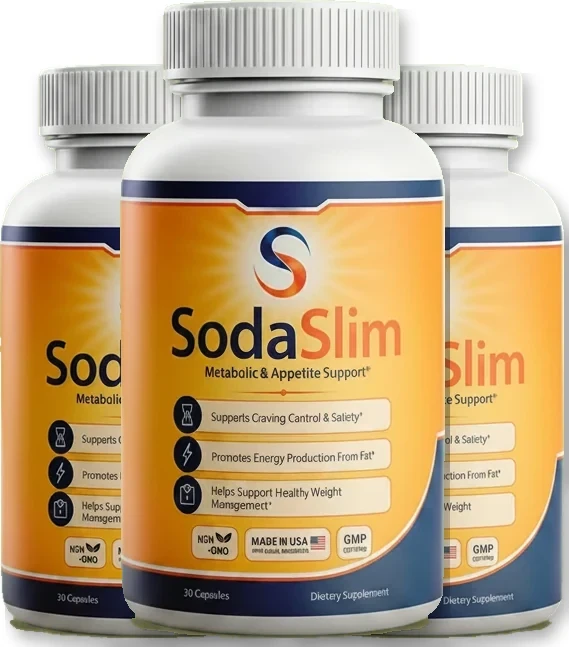
SodaSlim lists each botanical and its amount on the panel, states its caffeine, is made to GMP standards, and backs the order with a 60-day money-back window — the terms are all on the official store.
See the Official Store OfferPoint 4: Is there third-party testing?
Because the FDA does not pre-approve supplements, independent verification is the strongest signal a company can send — precisely because nobody forces it to. Third-party testing means an outside lab has confirmed that the contents match the label and screened for contaminants. It is not universal in this category, and its absence is not automatically damning, but its presence is a genuine mark in a product's favour and a sign the maker is confident enough to invite outside scrutiny.
Where you can find it, a certificate of analysis or a named testing partner beats a vague "lab tested" sticker every time. Specifics signal accountability; slogans signal marketing.
Point 5: Are the claims realistic?
This check is about tone as much as content. The evidence for supplement actives is modest — caffeine and green tea for a small thermogenic nudge, fibre for fullness — and an honest product's language reflects that. When a page promises to "melt fat while you sleep," guarantees a specific dramatic number, or insists no diet or exercise is required, it is not being bold; it is making claims the science cannot support and, in the case of disease or drug-strength language, claims a supplement legally cannot make.
A useful instinct: the more a product sounds like a miracle, the less it actually has to offer. Restraint is a quality signal. If you want to see what honest, evidence-anchored language looks like in this space, our breakdown of what the research shows for green tea and garcinia is a good calibration point — it shows how small the real effects are, and how a credible product talks about them.
The louder the promise, the quieter the evidence. Honest weight-loss products sound almost boring — and that restraint is the feature you are paying for.
Point 6: What does the refund window actually say?
A money-back guarantee is only as good as its fine print, and the fine print is where the real terms live. A strong guarantee names a specific window — 60 days, say — states clearly whether opened bottles qualify, and explains who pays return shipping. A weak one hides restocking fees, limits refunds to one bottle per order, or quietly applies only to unopened product, which is useless when the whole point is trying it.
Read the guarantee before you buy, not after you are disappointed. Keep your order confirmation and note the exact deadline in your calendar. And treat a guarantee you cannot actually locate in writing as if it does not exist — because functionally, it does not.
Point 7: What are the auto-ship terms?
The last check is the one that catches the most people after the sale. Many weight-loss products default you into a subscription — "auto-ship," "smart delivery," "subscribe and save" — where an attractive first price quietly becomes a recurring charge at a higher rate. That is not inherently a scam; a genuine subscription can save money if you want ongoing supply. The problem is defaulting you into it without a clear, easy way out.
Before you buy, find the answers to three questions: is this a one-time purchase or a subscription, what is the recurring price and interval, and how do you cancel? If those answers are hard to find, that difficulty is deliberate. A trustworthy seller makes cancelling as easy as signing up. A one-time purchase with transparent pricing is the cleanest option, and it should always be available.
| Checklist point | Green flag | Red flag |
|---|---|---|
| Dosing | Every active and its mg/g shown | Proprietary blend hides the doses |
| Caffeine | Stated per serving in mg | Not disclosed at all |
| Manufacturing | GMP, FDA-registered facility | No mention of standards |
| Testing | Named third-party lab / COA | Vague "lab tested" sticker |
| Claims | Modest, evidence-anchored | Miracle / "no diet needed" |
| Refunds | Clear window, opened bottles OK | Fine-print fees and limits |
| Auto-ship | One-time option, easy cancel | Default subscription, buried exit |
How SodaSlim scores against the checklist
We hold every product to this list, including the one this site covers. SodaSlim is a metabolic and appetite support drink built on green coffee bean, green tea and garcinia cambogia, and it clears the transparency checks: each botanical and its amount is printed on the panel rather than hidden in a blend, the format states what you are taking, and it is produced to GMP standards in an FDA-registered facility. On the commercial side, the official store carries a 60-day money-back window and free US shipping, with the pricing and terms laid out before you commit.
What it does not do — and what no honest product should — is promise a shortcut. The actives inside it produce modest effects and only alongside a calorie deficit, the same ceiling that applies to everything in this category. That is the point of the checklist: it does not find you a miracle, because there isn't one. It finds you a product that is transparent, well made and fairly sold, and then leaves the results to you and your diet. If SodaSlim fits what you are after, the ingredients and current offer are on the official store.
Frequently asked questions
How do I know if a weight loss supplement is legit?
Run it through a short checklist rather than trusting the front of the pack. A legitimate weight loss supplement shows every active and its exact dose, states its caffeine content, is made in a GMP-registered facility, and backs itself with a clear refund window. Vague proprietary blends, hidden caffeine, miracle claims and confusing auto-ship terms are the signals to walk away. No single feature proves legitimacy, but a product that passes all of them is far safer to buy.
What should the label show?
Each active ingredient listed separately with its amount in milligrams or grams, so you can compare it against the doses used in research. It should also show the serving size, the number of servings per container, the total caffeine per serving, and a full 'Other Ingredients' line for fillers and allergens. If several ingredients are collapsed into one proprietary-blend number, you cannot judge the doses, and that is usually the point.
How much caffeine is too much?
For most healthy adults, more than about 400 mg of caffeine a day is the point where risks start to outweigh any benefit. A weight-loss supplement can carry 150 to 300 mg per serving, which stacks on top of your coffee and tea. Add every source together, aim to stay under that ceiling, and drop lower if you are sensitive, pregnant, nursing or on medication. Any product that hides its caffeine amount has failed the check.
Are money-back guarantees real?
Often, but the value is entirely in the fine print. A real guarantee states a specific window, such as 60 days, says whether opened bottles qualify, and explains who pays return shipping. Watch for restocking fees, per-order limits and guarantees that only apply to unopened product. Read the terms before you buy, keep your order confirmation, and treat a guarantee you cannot actually find in writing as if it does not exist.
Medical note: this article is general information, not medical advice. Speak to a healthcare professional before starting any supplement, especially if you are pregnant, nursing, sensitive to caffeine, or taking medication.
Scientific references
- U.S. FDA — Questions and Answers on Dietary Supplements (labeling and regulation)
- U.S. FDA — Dietary Supplement Current Good Manufacturing Practices (GMP)
- NIH NCCIH — Dietary Supplements for Weight Loss: What You Need To Know
- EFSA — Caffeine: safe daily intake for adults
- U.S. FTC — How to Recognize and Avoid Weight-Loss Scams
Related reading
- The over-the-counter weight loss pills guide — what's legal, what works, and what to skip.
- SodaSlim reviews: does it actually work? — an honest look at what the formula can and can't do.
- SodaSlim cost, pricing and guarantee — the full price breakdown and refund terms explained.
Put a product through the checklist yourself
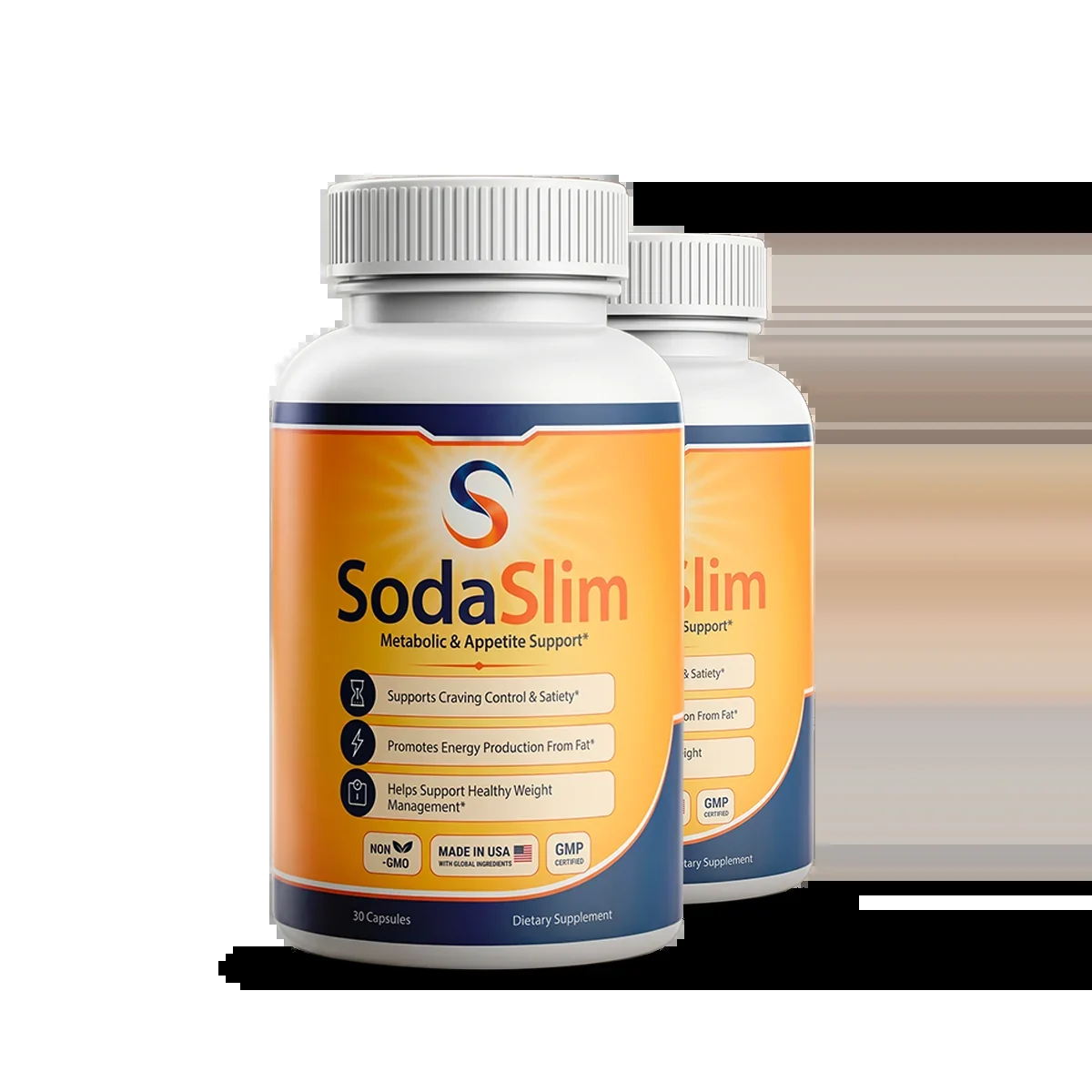
SodaSlim publishes each ingredient and amount, its caffeine, its GMP manufacturing and a 60-day money-back window — everything the checklist asks for. See the label and the current official-store offer.
Check the Official Store Offer