Do Appetite Suppressants Actually Work?
Quick Answer: Do Appetite Suppressants Actually Work?
An appetite suppressant can work modestly, not miraculously. Caffeine and green tea catechins may blunt hunger a little through norepinephrine, while protein, fibre and water add real fullness. The effect is small, short-lived and builds tolerance. Over-the-counter options cannot match prescription GLP-1 drugs, and none replaces a calorie deficit. Pair one with diet, or skip it.
- Real mechanism: caffeine and catechins nudge norepinephrine; fibre and protein add fullness.
- Realistic size: a small, temporary reduction in hunger, not an off switch.
- Non-negotiable: it only helps if a calorie deficit is doing the real work.
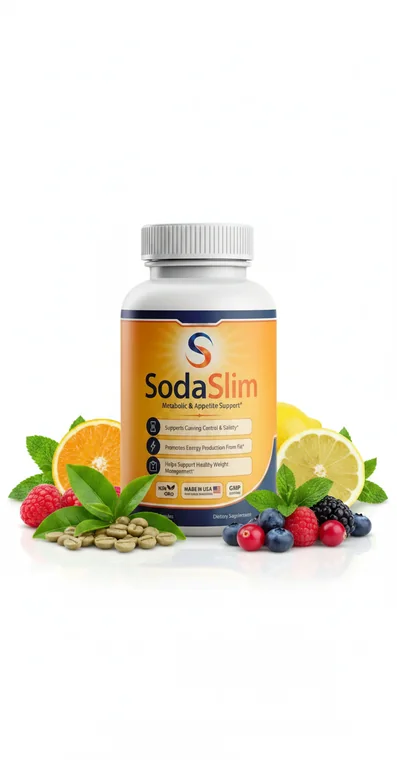
An appetite suppressant promises the most seductive thing in weight management: not less willpower needed, but less hunger to fight in the first place. It is a genuinely appealing idea, and it is also the corner of the supplement aisle where hope most often outruns evidence. So the honest question is not whether hunger can be nudged — it can — but by how much, for how long, and at what cost. This article answers all three, and shows you where a caffeine-based product like SodaSlim actually sits.
The short version is that appetite is a powerful, hormone-driven system your body defends hard, especially when you are eating less. A capsule can lean against that system a little. It cannot switch it off. Understanding the difference is what separates a sensible purchase from a disappointed one, and it is the whole point of what follows.
What an appetite suppressant is supposed to do
"Appetite suppressant" is a broad label covering very different mechanisms. Prescription medications act directly on the brain's hunger circuitry or on gut hormones. Over-the-counter products lean on a smaller set of tools: stimulants that mildly dull hunger, viscous fibres that physically fill the stomach, and protein that triggers satiety signals. When people ask whether appetite suppressants work, they are usually picturing the prescription effect while shopping in the supplement aisle — and that mismatch is the source of most of the disappointment.
The real mechanisms — and their limits
Start with the stimulant route, because it is what most over-the-counter fat burners use. Caffeine and green tea catechins raise levels of norepinephrine, a signalling chemical that can transiently reduce the drive to eat and slightly increase energy expenditure. Reviews of caffeine and energy intake do show a small reduction in how much people eat in the short term. The keyword is short-term: the effect is measured in a modest dip, not a vanished appetite, and it is bound up with the stimulant lift rather than a dedicated hunger switch.
The other mechanisms are quieter but arguably more reliable. Protein is the most satiating macronutrient, and building meals around it genuinely reduces later hunger. Viscous fibre slows stomach emptying and adds bulk, which is why a glass of water with soluble fibre before a meal can trim intake for some people. Water itself helps at the margins. None of these is dramatic, but they are the parts of "appetite suppression" with the least hype and the most staying power — and notably, they come from food and habits, not a pill.
Realistic results: how much, and how long
Set expectations by the clock and the scale. A caffeine-based appetite effect tends to build over the first hour after a dose and fade across the next several as the stimulant clears. It also shrinks over weeks, because the body builds tolerance to caffeine, which is why the pill that curbed your snacking in week one feels like less in week five. Fibre and protein produce a steadier, meal-linked fullness but no bigger a total effect. Across a month, the honest expectation is a small reduction in intake that helps a diet along at the margins — not a transformation you can attribute to the capsule.
This is why appetite suppression is best understood as a support, not a strategy. It can make the first difficult weeks of a calorie deficit a little easier to hold, which matters, because adherence is what most diets fail on. But the deficit is still the mechanism doing the weight loss, exactly as it is with every weight loss pill that actually works. A suppressant that helps you stick to the plan is useful; one you are relying on to do the plan for you will let you down.
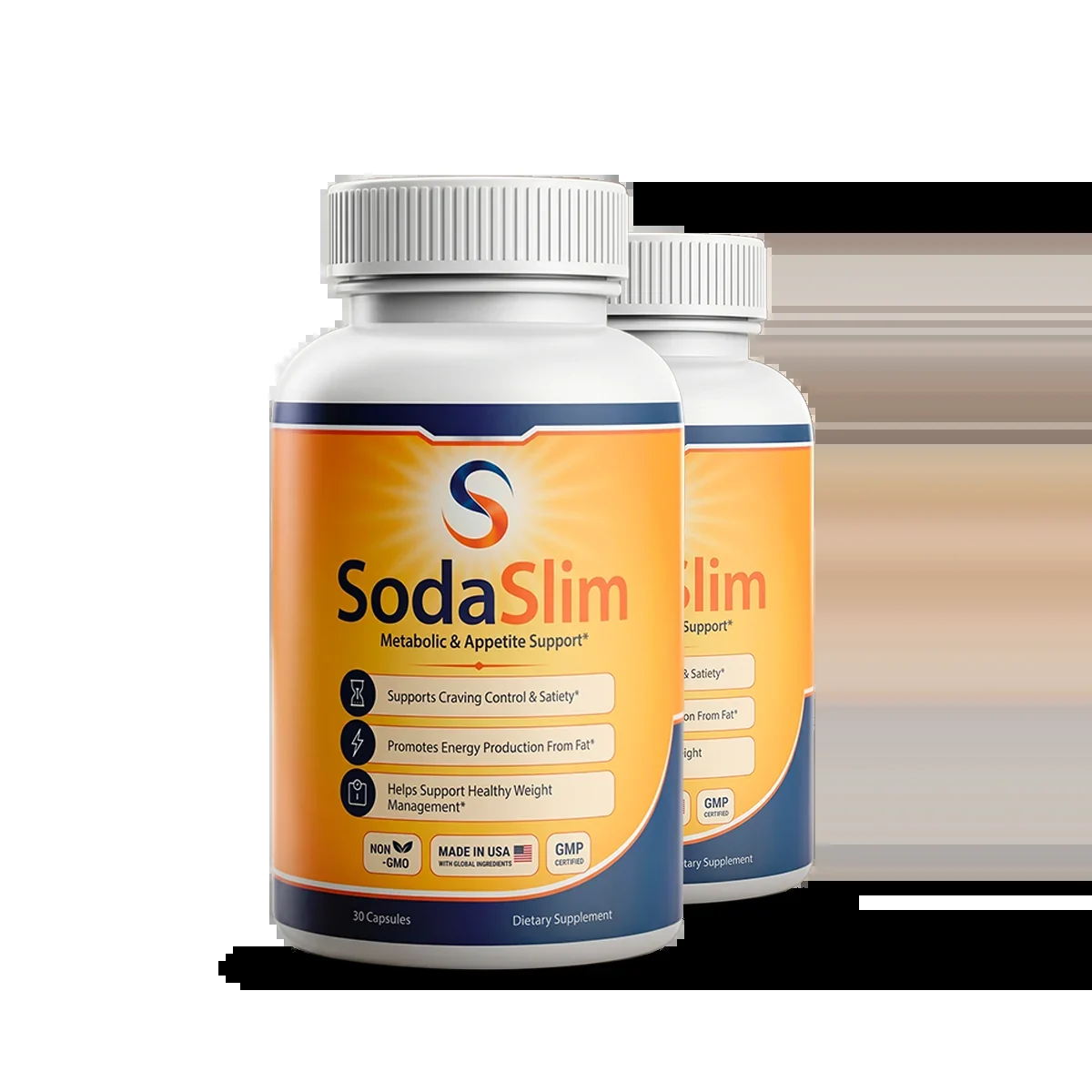
Want a transparently dosed caffeine-and-catechin option?
SodaSlim pairs caffeine anhydrous with green tea extract and prints every milligram on the panel, so you can weigh the appetite mechanism, and the stimulant load, before you buy.
See the Official Store OfferWhere SodaSlim's stimulants sit
SodaSlim is a stimulant-forward formula, which means its appetite angle rests mainly on two of its five actives. Its label discloses caffeine anhydrous at 138 mg and green tea extract at 130 mg — the exact caffeine-plus-catechin pairing the research points to for a mild hunger effect. The other three actives (green coffee bean, garcinia and raspberry ketone) are often marketed for appetite, but garcinia and raspberry ketone in particular have weak human evidence, so we would not credit them with the effect. In short: the appetite mechanism SodaSlim can plausibly claim comes from its caffeine and green tea, and it is a modest one.

| Approach | How it curbs appetite | Realistic strength |
|---|---|---|
| Caffeine (anhydrous) | Raises norepinephrine; mild, temporary hunger dip | Small, fades with tolerance |
| Green tea catechins (EGCG) | Extends the caffeine effect modestly | Small, best with caffeine and a diet |
| Protein (from food) | Triggers satiety hormones; most filling macronutrient | Modest but reliable |
| Viscous fibre (from food or a scoop) | Slows stomach emptying; adds physical bulk | Modest, dose-dependent |
| Garcinia / raspberry ketone | Marketed for appetite; weak human evidence | Minimal |
We take SodaSlim apart ingredient by ingredient, with the doses, in our honest SodaSlim review and verdict. The relevant point here is that its transparency lets you do the calibration yourself: you can see the caffeine number, compare it to your daily intake, and judge whether the appetite assist is worth the stimulant load for you.
How over-the-counter suppressants differ from prescription drugs
This is the comparison that resets expectations fastest. Prescription appetite suppressants, and the GLP-1 medicines in particular, act powerfully on the gut and brain hormones that govern hunger, and many people describe genuinely losing the constant pull toward food. They also run under medical supervision, with monitoring, potential side effects, and cost. Over-the-counter options are playing a different sport with lighter equipment: caffeine, catechins, fibre and protein. The gap is not a marketing detail, it is a difference in biology and oversight, and any product implying it matches a prescription is overselling.
Myth: "An appetite suppressant melts fat on its own"
It does not, and no honest source claims it does. Suppressing appetite is a means to an end — eating a little less — and eating less only produces fat loss if it results in a sustained calorie deficit. If a suppressed appetite leads you to eat the same amount anyway, or to over-correct later, the scale will not move. The capsule is upstream of the mechanism, not the mechanism itself. This is the same trap that catches shoppers looking at fat burners generally, which we cover in our breakdown of the evidence behind green tea, green coffee and garcinia.
Red flags and safety
Caffeine-based suppression carries real trade-offs. At the 138 mg in a SodaSlim capsule — and much more once you add coffee, tea and soft drinks — caffeine can raise heart rate and blood pressure, cause jitters and anxiety, and disrupt sleep, and poor sleep is itself linked to increased hunger the next day. Regulators generally place a moderate daily ceiling on caffeine for healthy adults, with tighter limits in pregnancy. Anyone who is pregnant or nursing, caffeine-sensitive, or living with a heart condition or high blood pressure should treat a stimulant suppressant with caution and check with a clinician first. And be wary of any product that hides its stimulant dose in a proprietary blend — you cannot count what you cannot see.
How to use an appetite suppressant sensibly
If you decide to try one, stack the odds in your favour. Build the foundation first: protein at each meal, fibre-rich foods, and water before meals do the reliable work and cost nothing. Add a stimulant suppressant, if at all, as a short-term assist during the hardest early weeks of a deficit, take it earlier in the day to protect sleep, and count its caffeine as part of your daily total rather than on top of it. Judge it over weeks by the trend on the scale, expect the effect to fade with tolerance, and choose a product that prints its doses and offers a money-back guarantee so a fair trial is low-risk.
Related reading
Frequently asked questions
Do over-the-counter appetite suppressants work?
Over-the-counter appetite suppressants work modestly at best. Caffeine and green tea catechins can blunt hunger a little by nudging norepinephrine, and viscous fibre and protein add real fullness, but the effect is small and short-lived. None of them removes appetite the way a prescription drug can, and all of them work only alongside a calorie deficit. Treat them as a mild assist, not an off switch for hunger.
How do they differ from prescription options?
Prescription appetite suppressants, especially the GLP-1 medicines, act far more powerfully on the brain and gut hormones that control hunger, and they do so under medical supervision with monitoring for side effects. Over-the-counter options rely mainly on caffeine, catechins, fibre and protein, which produce a much smaller and briefer effect. The difference is one of degree and oversight, not just branding.
How long does appetite suppression last per dose?
For caffeine-based suppressants, the hunger-blunting effect broadly tracks the stimulant, so it tends to build over the first hour and fade across the next three to six as caffeine clears, varying a lot by person. Fibre and protein work differently, producing fullness for a few hours after a meal. Because tolerance to caffeine builds over weeks, the appetite effect also tends to shrink with regular use.
Are caffeine-based suppressants risky?
They can be for some people. A caffeine-based appetite suppressant can raise heart rate and blood pressure, cause jitters, and disrupt sleep, and the risk rises when you stack it on top of coffee, tea and energy drinks. Anyone who is pregnant or nursing, caffeine-sensitive, or has a heart condition or high blood pressure should be cautious and speak to a clinician first. Count your total daily caffeine, not just the pill.
Medical note: this article is general information, not medical advice. Speak to a healthcare professional before starting any supplement, especially if you are pregnant, nursing, sensitive to caffeine, or taking medication.
Scientific references
- NIH NCCIH — Dietary Supplements for Weight Loss: What You Need To Know
- Jurgens T. et al. — Green tea for weight loss and weight maintenance in overweight or obese adults, Cochrane Database of Systematic Reviews
- Tabrizi R. et al. — The effects of caffeine intake on weight loss: a systematic review and meta-analysis, Critical Reviews in Food Science and Nutrition
- Harvard T.H. Chan School of Public Health — Protein and satiety, The Nutrition Source
- U.S. FDA — Spilling the Beans: How Much Caffeine is Too Much
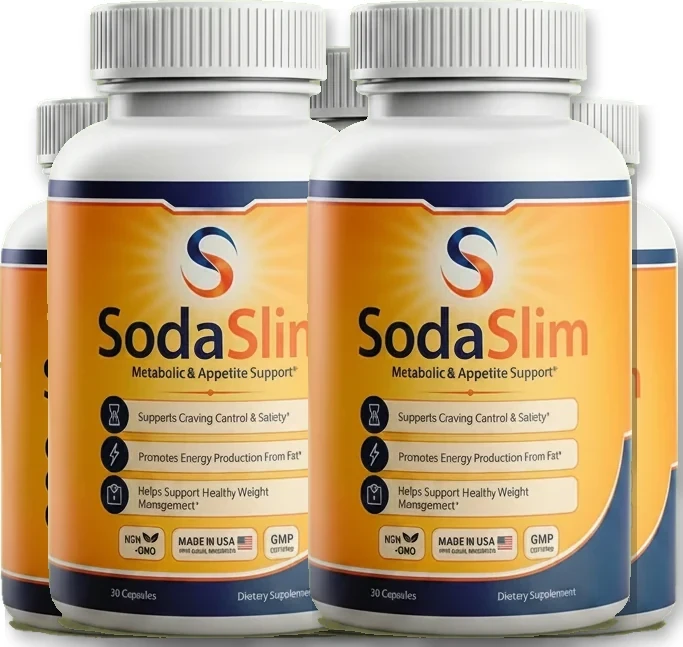
If a caffeine-and-catechin assist fits your plan
SodaSlim lists its caffeine and green tea amounts on the panel, with the current package pricing, free US shipping options and a money-back window at the official store — so a good-faith trial stays low-risk.
Check the Official Store Offer