Best Weight Loss Pills: What Actually Works
Quick Answer: Which Weight Loss Pills Actually Work?
The best weight loss pills fall into three tiers. Prescription GLP-1 drugs work best but need a doctor. Among over-the-counter options, caffeine and green tea catechins have modest support; garcinia and raspberry ketone are weak. None outruns a calorie deficit, and real change takes 8 to 12 weeks. Match the tool to your goal and your risk tolerance.
- Strongest: prescription GLP-1 medicines, under medical supervision.
- Modest but real: caffeine and green tea catechins in a thermogenic like SodaSlim.
- Skip for results: garcinia, raspberry ketone and "detox" blends.
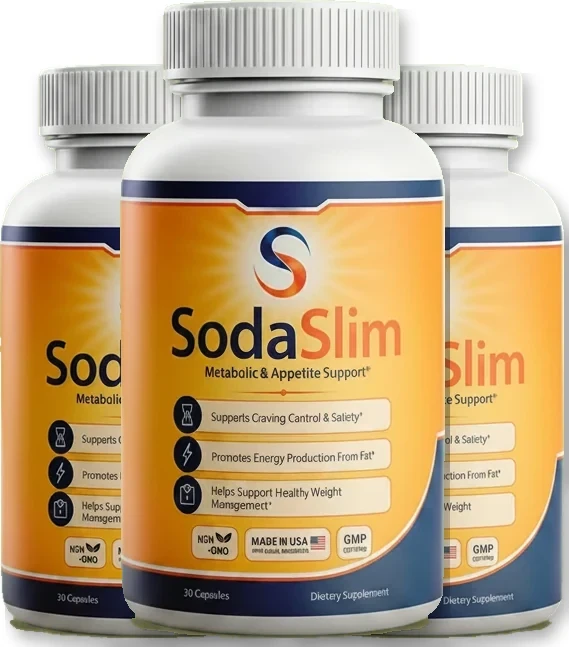
"Best weight loss pills" is one of the most-searched health phrases on the internet, and one of the most misleading, because the phrase quietly assumes there is a single answer. There is not. The honest map has tiers: a small group of prescription medications with strong evidence, a middle band of over-the-counter thermogenics with modest support, and a long tail of ingredients that sell well and do little. Sort a product into the right tier and you will spend your money wisely. Skip that step and you will buy the story on the label.
This guide does the sorting. We will walk each tier, name the ingredients that hold up and the ones that do not, and place a transparent thermogenic like SodaSlim exactly where the evidence puts it — no higher. The goal is not to talk you into a pill. It is to make sure that if you buy one, you buy it for what it can actually do.
What "best weight loss pills" really means
Before comparing products, split the category in two, because over-the-counter and prescription pills are not the same kind of thing. Prescription anti-obesity medications are drugs, approved after large clinical trials, prescribed and monitored by a clinician. Over-the-counter pills are dietary supplements, which are not pre-approved for effectiveness and are regulated far more loosely. Both are called "weight loss pills" in a search box, but they sit in different universes of evidence, effect size and oversight. Confusing them is the single biggest mistake shoppers make.
Tier 1: prescription medications — the strongest evidence
The best-evidenced weight loss pills are prescription drugs, and it is not close. The newer GLP-1 receptor agonists, studied in large randomised trials, produce average losses that dwarf anything an over-the-counter product can claim, which is why they have reshaped the field. Older prescription agents also outperform supplements. The catch is real, though: these require a doctor, medical monitoring, can carry meaningful side effects, and often cost far more than a supplement. They are the right answer for many people with a clinical need — and they are not something you buy off a shelf on a whim.
The takeaway for a supplement shopper is one of calibration. If you have read that a medication produces double-digit percentage weight loss and you expect a botanical capsule to do the same, you will be disappointed by every over-the-counter product ever made. Prescription and supplement are different tiers, and holding a supplement to a drug's results is unfair to both.
Tier 2: over-the-counter thermogenics that hold up
Inside the supplement world, one combination has more support than the rest: caffeine plus green tea catechins. Caffeine reliably produces a small increase in energy expenditure and a real lift in alertness and workout capacity, and green tea's EGCG appears to extend that effect modestly. A Cochrane review of green tea preparations found a small effect on weight, most visible alongside a reduced-calorie diet. This is the mechanism behind credible thermogenic fat burners, and it is the tier where a product like SodaSlim legitimately sits.
Keep the effect size in view. "Modest" here means a small nudge measured over months, not a shortcut. The stimulant also does a lot of the felt experience: the energy, the slight appetite blunting, the sense that "something is happening" are largely caffeine. That is not a criticism — caffeine is one of the better-evidenced compounds in the whole category — but it means a thermogenic is a support tool for a diet, not an engine that replaces one. For the mechanism in more depth, see whether appetite suppressants actually work.
Tier 3: the popular ingredients that do little
The long tail is where marketing budgets outrun the science. Garcinia cambogia, once a television sensation, failed to beat placebo in its most rigorous trial. Raspberry ketone has essentially no human weight-loss evidence — its reputation rests on cell and animal studies at doses no capsule delivers. "Detox," "cleanse" and most fat-blocker gimmicks belong here too. None of these is necessarily unsafe in normal amounts; they simply are not why anyone loses weight. Our deep dive on the evidence behind green tea, green coffee and garcinia lays out the trial data if you want the receipts.
| Ingredient / class | Tier | What the evidence supports |
|---|---|---|
| Prescription GLP-1 medicines | 1 — strongest | Large, well-documented weight loss under medical supervision |
| Caffeine (anhydrous) | 2 — modest, real | Small rise in energy expenditure; reliable alertness lift |
| Green tea extract (EGCG) | 2 — modest, real | Small effect on weight with caffeine, alongside a diet |
| Green coffee (chlorogenic acid) | 2/3 — mixed | Small, low-quality trials; weaker in better studies |
| Garcinia cambogia (HCA) | 3 — weak | No significant benefit vs placebo in a landmark trial |
| Raspberry ketone | 3 — very weak | Cell/animal data only; no human weight-loss evidence |
Looking for a transparent Tier 2 thermogenic?
SodaSlim pairs caffeine with green tea catechins and prints every milligram on the panel — no proprietary blend, no drug-strength promises. See exactly what you would be taking, and the current offer.
See the Official Store OfferWhere SodaSlim fits in the ranking
SodaSlim is a Tier 2 product and, refreshingly, it is built like one. Its label discloses caffeine anhydrous (138 mg) and green tea extract (130 mg) — the two ingredients that carry the tier — alongside green coffee bean, garcinia and raspberry ketone. Two of those five are the reason it can plausibly do anything; the other three are category-standard filler that we would not pay a premium for. The honest pitch is: a transparently dosed thermogenic with real caffeine and green tea, best used as an assist. We take the product apart in full in our evidence-based SodaSlim review.
What earns SodaSlim its place is not a stronger effect than its rivals — it is honesty about the dose. Any fat burner that hides its amounts inside a "proprietary blend" has made the tiering exercise impossible on purpose. A printed panel lets you check the caffeine content against your daily coffee and decide for yourself. That transparency is the trait worth shopping for in any over-the-counter weight loss pill.
The ingredient every pill needs to work: a calorie deficit
Here is the line the packaging never leads with. In essentially every trial where a supplement helped at all, a reduced-calorie diet and activity were doing the heavy lifting. The NIH says it plainly: supplements produce little weight change on their own. A thermogenic can raise your burn a little and make a diet slightly easier to stick to, but it cannot create a deficit you are not creating with food and movement. If you take only one thing from this guide, take that: the best weight loss pill in the world is a rounding error next to what you eat.
Expect a realistic timeline, too. Meaningful change from any over-the-counter pill shows over 8 to 12 weeks, and the number that matters is the trend across those weeks, not the first-day buzz from the caffeine. Products that promise dramatic loss in days are selling water weight or wishful thinking.
Myth: "Over-the-counter pills are as good as prescription"
They are not, and any product implying otherwise is overreaching. Prescription anti-obesity drugs went through large trials and produce results a supplement cannot match; that gap is the whole reason prescriptions exist. An over-the-counter thermogenic offers a modest assist and comes with far less oversight. Neither fact makes supplements worthless — a small, cheap, low-risk assist has a place — but pretending the two tiers are interchangeable does readers a disservice, and it is the most common way weight-loss marketing crosses the honesty line.
Myth: "Natural fat burners are automatically safer"
"Natural" describes where an ingredient comes from, not how it behaves in your body. High-dose green tea extract and garcinia both appear in rare case reports of liver injury, and any stimulant blend can raise heart rate and blood pressure or wreck your sleep. Natural also does nothing to rescue a weak ingredient: raspberry ketone is perfectly natural and still does not work in humans. Judge a fat burner by its actual dose, its evidence and its stimulant load — and if you are caffeine-sensitive, pregnant, nursing, or on medication, treat any thermogenic as a conversation to have with a clinician first.
How to choose the best weight loss pill for you
Run any product through four questions. Does it print full doses, or hide them in a blend? Does it contain the Tier 2 actives (caffeine, green tea) at amounts that match what studies used? Is the stimulant load compatible with your caffeine tolerance and the rest of your day? And is it backed by a money-back guarantee so a good-faith trial is low-risk? A product that answers those well — as a transparent thermogenic can — is a defensible buy. One that fails them, however loud the marketing, is not the "best" anything.
Related reading
Frequently asked questions
What is the best weight loss pill that actually works?
There is no single best weight loss pill that works for everyone, because the honest answer depends on whether you mean prescription or over-the-counter. Prescription GLP-1 medicines produce the largest, best-evidenced results under medical supervision. Among over-the-counter options, caffeine paired with green tea catechins has the most support, and even that is a modest effect that only shows up alongside a calorie deficit.
Are OTC pills as effective as prescription?
No. Prescription weight-loss drugs, especially the newer GLP-1 medicines, produce far larger and better-documented results than any over-the-counter pill, but they require a prescription, medical monitoring and often side effects and cost to match. Over-the-counter pills such as caffeine and green tea offer a small metabolic assist, not a comparable effect, and are best viewed as support for a diet rather than a substitute for medical treatment.
How fast do the best weight loss pills work?
Not overnight, whatever the packaging implies. Any real change from the best over-the-counter weight loss pills shows up over 8 to 12 weeks, and only when a calorie deficit is doing the main work. Caffeine can give a same-day lift in energy and alertness, but that is not fat loss. Judge a pill by the trend on the scale over two to three months, not by the first few days.
Are natural fat burners safer?
Not automatically. Natural is a sourcing description, not a safety guarantee, and plant-based fat burners can still cause problems: high-dose green tea extract and garcinia appear in rare reports of liver injury, and stimulant blends can raise heart rate and blood pressure. Natural also does not make a weak ingredient effective. Judge every fat burner on its dose, its evidence and its stimulant load, not on the word natural.
Medical note: this article is general information, not medical advice. Speak to a healthcare professional before starting any supplement, especially if you are pregnant, nursing, sensitive to caffeine, or taking medication.
Scientific references
- NIH NCCIH — Dietary Supplements for Weight Loss: What You Need To Know
- Jurgens T. et al. — Green tea for weight loss and weight maintenance in overweight or obese adults, Cochrane Database of Systematic Reviews
- Wilding J.P.H. et al. — Once-Weekly Semaglutide in Adults with Overweight or Obesity, New England Journal of Medicine (2021)
- Heymsfield S.B. et al. — Garcinia cambogia (hydroxycitric acid) as a potential antiobesity agent, JAMA (1998)
- NIH LiverTox — Green Tea and Garcinia Cambogia (hepatotoxicity)
Shopping the Tier 2 shelf?
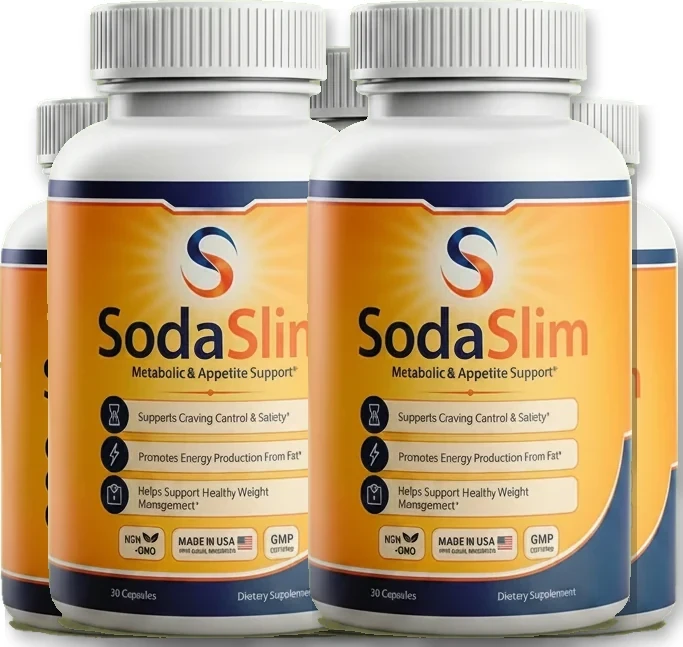
If a transparently dosed thermogenic fits your plan, SodaSlim lists each active and amount on the panel, with the current package pricing, free US shipping options and a money-back window at the official store.
Check the Official Store Offer