How Long Weight Loss Supplements Take to Work: A Realistic Timeline
Quick Answer: How Long Do Weight Loss Supplements Take to Work?
Expect three different clocks. A stimulant supplement like SodaSlim delivers caffeine-driven energy in about 30 to 60 minutes, appetite changes within the first few days, and visible body change usually over 8 to 12 weeks — but only alongside a calorie deficit. No pill moves the scale on its own.
- Same day: caffeine energy and focus in roughly 30 to 60 minutes.
- First week: a steadier, quieter appetite — not fat loss yet.
- 8 to 12 weeks: measurable change on the scale and tape, with a deficit doing the work.
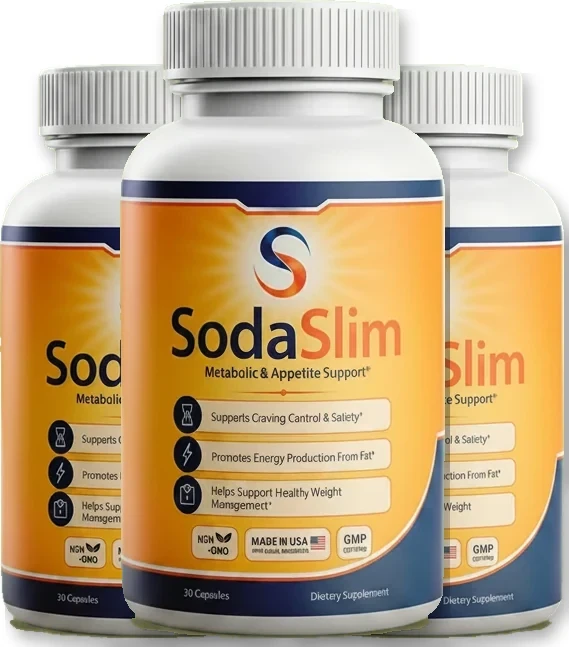
The single most common reason people abandon a weight loss supplement is that they quit before it has had a chance to do anything measurable. They take it for five days, step on the scale, see the same number, and conclude it does not work. Understanding how long weight loss supplements take to work is the difference between a fair trial and a wasted bottle — and the honest answer is that a product like SodaSlim runs on three separate clocks at once. One of them is fast, one is medium, and the one everybody actually cares about is slow. Confusing the three is what makes people give up right before the part that matters.
This is not a story about a magic capsule. It is a story about expectations. Set them correctly and a supplement can be a genuinely useful support tool. Set them wrong and even a well-formulated product feels like a failure. So let us walk the timeline from the first dose to the three-month mark, be specific about what happens when, and be equally specific about what will never happen no matter how long you wait.
How long weight loss supplements take to work: the three clocks
Every effect a supplement can produce falls into one of three timeframes, and they are wildly different in speed. The pharmacological effects — the caffeine and stimulant response — are fast, measured in minutes. The behavioural effects — a quieter appetite, fewer between-meal cravings — are medium, measured in days. And the outcome everyone is actually paying for — a lower number on the scale, a looser waistband — is slow, measured in weeks and months. When someone asks how long a weight loss supplement takes to work, they usually mean the slow clock, but they judge the product on the fast one. That mismatch is the entire problem.
SodaSlim sits firmly in the stimulant-and-appetite category, built around caffeine-bearing botanicals such as green tea and green coffee extract. That profile is what sets its timeline. It gives you an immediate, noticeable lift on day one, a gentler appetite within the first week, and then does the quiet, unglamorous job of making a calorie deficit easier to sustain over the following months. If you want the same evidence lens applied to the ingredients themselves, our review of the evidence behind green tea, green coffee and garcinia covers what each one has actually been shown to do.
Hour one: what caffeine does in 30 to 60 minutes
The fastest effect is the one you will feel on the very first day. Caffeine is absorbed quickly, reaching peak levels in the bloodstream somewhere around 30 to 60 minutes after you take it, and its half-life means it stays active for hours after that. This is the effect people mistake for "the supplement working," and in a narrow sense they are right — it is working, it is just not the fat-loss part.
What caffeine reliably delivers is energy, alertness and a small bump in the number of calories your body burns at rest, plus a modest lift in exercise performance and perceived effort. That last point matters more than it sounds: if the supplement makes a workout feel easier, you may train a little harder or a little longer, and that is a real, if indirect, contribution to a deficit. What caffeine does not do is quietly melt fat while you sit still. The thermogenic bump is small, and it does not add up to meaningful weight change on its own. Treat day-one energy as a sign the product is in your system, not as evidence the scale is about to move. If you want the numbers behind sensible dosing, we break down how much caffeine actually helps with weight loss in a separate guide.
The first few days: appetite is where you notice change first
The second clock runs over the first several days to a couple of weeks, and this is where a stimulant-and-appetite supplement first becomes genuinely useful. Caffeine and the botanical extracts in this category have a mild appetite-blunting effect for many people, and unlike the energy hit, this one compounds. The first day you might barely notice it. By day three or four, the mid-afternoon snack you always reached for feels a little less automatic. By the end of the first week, portions can feel naturally smaller and the gap between meals easier to hold without white-knuckling it.
This is the effect that actually drives results, because it works on the mechanism that matters: how much you eat. A supplement cannot lower your weight directly, but if it makes eating less feel less like a fight, it is doing the single most helpful thing a weight loss aid can do. That is exactly how SodaSlim is designed to earn its place — not as a fat burner in the fairy-tale sense, but as a tool that makes a calorie deficit easier to live with day to day. Notice, though, that "easier to eat less" is still not the same as "losing weight." The appetite change is the cause; the scale change is the effect, and the effect lags the cause by weeks.
Give the timeline a fair run
The mistake is buying one bottle and judging it in a week. If you want to see the real 8-to-12-week window through, a multi-bottle supply from the official store carries the best per-bottle pricing, free US shipping and a 60-day money-back window.
See the Official Store OfferWeeks 8 to 12: when the scale finally moves
Here is the clock everyone cares about, and the one that requires the most patience. Measurable, durable body change — the kind you can see in the mirror and read on the tape measure — typically takes 8 to 12 weeks, and it is not produced by the supplement. It is produced by the calorie deficit the supplement is helping you maintain. This is the part the marketing tends to blur and the part we will be blunt about.
The maths is unavoidable. Losing roughly a pound of fat requires a deficit of around 3,500 calories, so a sustainable pace of one to two pounds a week is the deficit doing steady work over time. Stretch that across two or three months and you get a change worth photographing. Compress it into one week and you get nothing visible, because one week of a modest deficit is, by design, a small amount of fat. The supplement's job across this window is not to accelerate physics but to keep you in the deficit long enough for physics to add up — by keeping energy steady so you do not crash and binge, and appetite quiet so the deficit does not feel like deprivation.
This is also why a three-bottle or six-bottle supply is not just an upsell. A one-month bottle covers roughly a third of the window in which results become visible. People who buy a single bottle are, more often than not, buying themselves a premature verdict. If you want the wider category context on what genuinely earns a place in that window, our rundown of which weight loss pills actually work sorts the supported ingredients from the hype.
Why you should track more than the scale
The scale is the worst single tool for judging early progress, because it measures everything except the thing you care about. Body weight swings by several pounds within a single day and across a week for reasons that have nothing to do with fat: water retention from a salty meal, carbohydrate storage, hydration, hormonal fluctuations, and simply whether you have been to the bathroom. Someone genuinely losing fat can step on the scale after a high-sodium dinner and see it up two pounds, then conclude the supplement failed. It did not; the water did.
Track a basket of signals instead, and track them weekly rather than daily. Waist measurement with a tape is often the earliest honest indicator of change. How your clothes fit is a close second and needs no equipment at all. Energy through the afternoon, quality of sleep, and how in-control you feel around food are all worth noting, because those are the levers a stimulant-and-appetite supplement pulls first. Progress photos taken in the same light every two weeks reveal changes the daily scale hides completely. If you weigh yourself at all, do it at the same time under the same conditions and watch the trend across weeks, not the number on any single morning.
The people who succeed with a supplement are almost never the ones who weigh in daily. They are the ones who took it consistently, held a deficit, and looked at the trend at week eight instead of day five.
A realistic timeline at a glance
| Timeframe | What you can reasonably expect | What is doing the work |
|---|---|---|
| 30–60 minutes | Energy, alertness, mild focus lift | Caffeine reaching peak blood levels |
| First few days | Appetite feels quieter; fewer cravings | Caffeine and botanical extracts blunting hunger |
| Weeks 1–4 | Easier to hold a deficit; little scale change yet | Behaviour change, not fat loss |
| Weeks 8–12 | Visible, measurable change on scale and tape | The accumulated calorie deficit |
Three myths that make people quit too early
Myth 1: "If it worked, I'd see it in the first week." This is the single most expensive misunderstanding in the category. The first week shows you the fast effects — energy and appetite — not the slow one. Judging a three-month tool on a one-week window guarantees a false negative. The fair question at week one is not "have I lost weight" but "is it easier to eat the way I planned to."
Myth 2: "A supplement means I don't have to diet." No product in this category overrides energy balance, and any honest read of the research shows the measurable effects appearing alongside a reduced-calorie diet, never instead of one. A supplement that quiets appetite is helping you diet more comfortably; it is not a replacement for the diet. Treating it as a permission slip to eat more is the fastest way to see no results at all.
Myth 3: "More is faster." Doubling the dose does not double the loss; it mostly doubles the side effects. Beyond a sensible caffeine intake you get jitteriness, a racing heart, anxiety and disrupted sleep — and poor sleep is itself linked to increased appetite and harder weight management, which works directly against you. The correct dose is the labelled one, taken consistently, ideally earlier in the day so it does not wreck your sleep.
When to stop if it isn't working
Patience is not the same as stubbornness, and there is a point where continuing stops being reasonable. The fair trial is roughly 8 to 12 weeks, but only if you were genuinely holding a calorie deficit throughout — a supplement cannot be blamed for a plan that never existed. If you reach the three-month mark having eaten in a real deficit, tracked more than the scale, and seen no movement across weight, measurements, clothing fit or energy, then it is reasonable to conclude this particular tool is not adding enough for you and to stop.
There is also a fast exit that overrides the timeline entirely: side effects. If a caffeine-based supplement leaves you jittery, anxious, unable to sleep, or with a racing or pounding heart, that is a reason to stop now, not in eight weeks. Those are signals the stimulant load is wrong for your sensitivity, and no potential benefit is worth pushing through them. Anyone who is pregnant or nursing, sensitive to caffeine, managing a heart condition or blood pressure, or taking medication should speak to a healthcare professional before starting rather than experimenting and hoping. For a full look at the specific formula and its amounts, our complete SodaSlim formula breakdown lays out what is in each capsule.
What no supplement will ever do, at any timeline
Being straight about the ceiling matters as much as being clear about the timeline. No weight loss supplement, including this one, is a treatment for obesity or any medical condition, and none may honestly be sold as one. None burns fat while you eat freely, none reshapes a specific body part, and none removes the need for a calorie deficit. What a well-made stimulant-and-appetite supplement can do is narrower and genuinely useful: give you reliable energy to move more, take the edge off hunger so a deficit is easier to hold, and support the consistency that turns a plan into a result over months.
Read against that honest ceiling, the timeline stops being disappointing and starts being usable. You get something real on day one, something helpful within the first week, and something worth measuring by week eight to twelve — provided you bring the diet the supplement is designed to support. Buy it as a support tool and give it the full window, and the odds are fair. Buy it as a shortcut and judge it in five days, and it will disappoint you every single time.
Frequently asked questions
How soon will I see results?
It depends what you count as a result. Caffeine-driven energy and focus tend to arrive within 30 to 60 minutes of your first dose, a gentler appetite usually settles in over the first few days, and a measurable change on the scale or tape typically takes 8 to 12 weeks with a consistent calorie deficit behind it.
Why no results in the first week?
Because the first week is mostly the fast effects — energy and appetite — not fat loss. Meaningful body change is a slow process that depends on an accumulated calorie deficit, and one week is rarely long enough to produce a clear signal on the scale. Day-to-day weight also swings with water, sodium and hormones, which can easily hide early progress.
Do I need to diet too?
Yes. No weight loss supplement overrides the basic maths of energy balance, and in the research any measurable effect shows up alongside a reduced-calorie diet, not instead of one. SodaSlim is designed to make a deficit easier to hold — steadier energy, fewer cravings — but the deficit itself is what actually moves the scale.
When should I stop if it isn't working?
Give it a fair trial of roughly 8 to 12 weeks while genuinely holding a calorie deficit, then judge by more than the scale — energy, appetite, measurements and how your clothes fit. If nothing has moved across any of those after a consistent three-month effort, it is reasonable to stop. Stop sooner if you notice side effects such as jitteriness, a racing heart or poor sleep.
Medical note: this article is general information, not medical advice. Speak to a healthcare professional before starting any supplement, especially if you are pregnant, nursing, sensitive to caffeine, or taking medication.
Related reading
- SodaSlim reviews: does it actually work? — an honest look at what the formula can and cannot deliver.
- Best weight loss pills: what actually works — the supported ingredients versus the marketing noise.
- Caffeine for weight loss: how much you actually need — sensible dosing and where the benefit stops.
Scientific references
- NIH NCCIH — Dietary Supplements for Weight Loss: What You Need To Know
- Jurgens T. et al. — Green tea for weight loss and weight maintenance in overweight or obese adults, Cochrane Database of Systematic Reviews
- CDC — Losing Weight: a safe, sustainable pace of 1 to 2 pounds per week
- Mayo Clinic — Caffeine: How much is too much?
- NIH NHLBI — Aim for a Healthy Weight: setting realistic goals over months
Ready to run the full timeline?
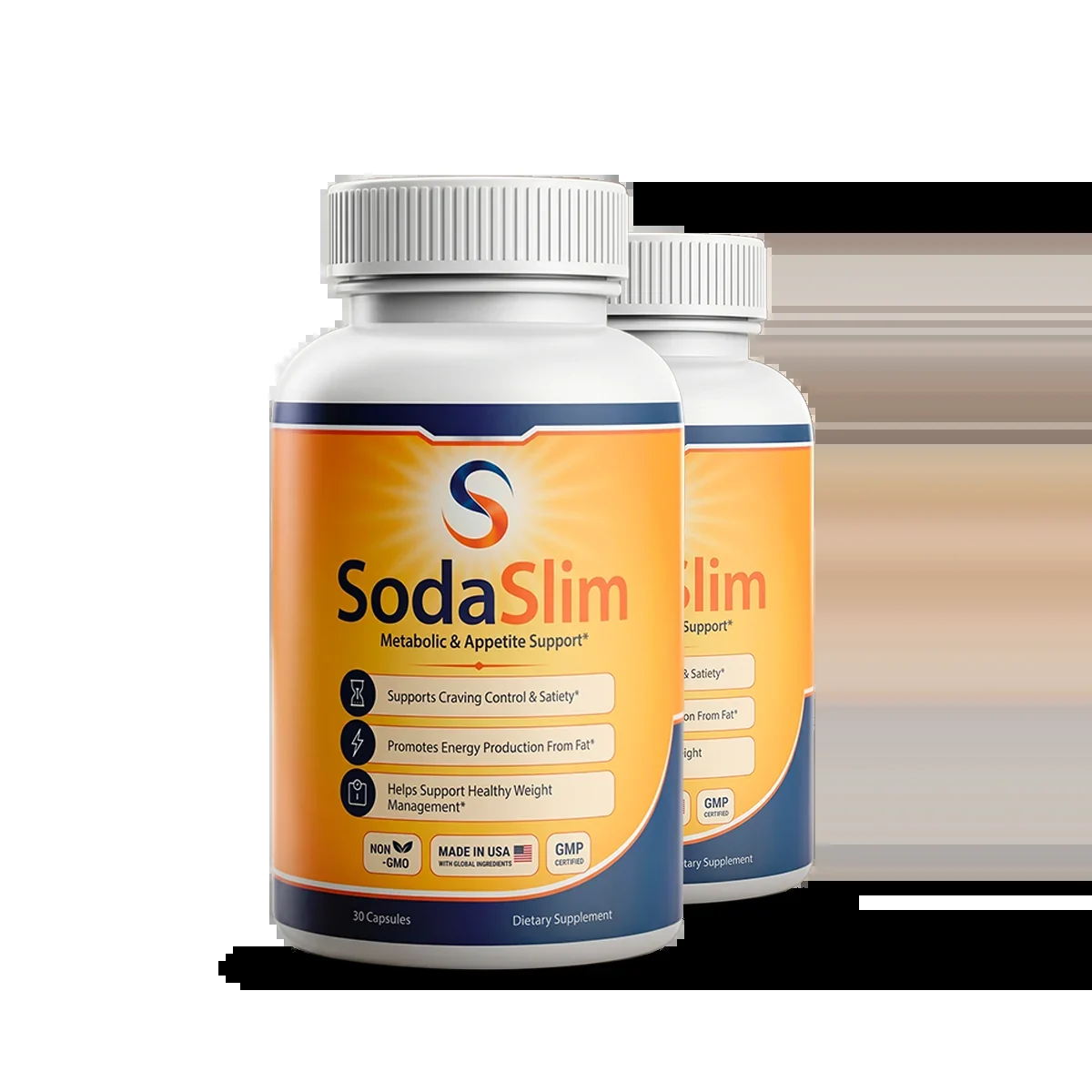
Now you know what to expect and when. If you want to give SodaSlim the honest 8-to-12-week window it needs, the official store has the current multi-bottle offer, free US shipping and a 60-day money-back guarantee.
Check the Official Store Offer