Caffeine for Weight Loss: How Much Is Effective, and How Much Is Safe?
Quick Answer: How Much Caffeine Helps With Weight Loss?
For caffeine and weight loss, most of the useful effect shows up around 100 to 200 mg per dose, which is why supplements in this category often sit near 138 mg per serving. The FDA considers up to 400 mg a day safe for most healthy adults, counting every source. The effect is modest, and it fades with tolerance.
- Effective range: roughly 100 to 200 mg per serving; more mostly adds side effects, not fat loss.
- Daily ceiling: about 400 mg total from all sources for most healthy adults.
- Timing matters: take it early; caffeine within 6 to 8 hours of bed wrecks the sleep weight loss depends on.
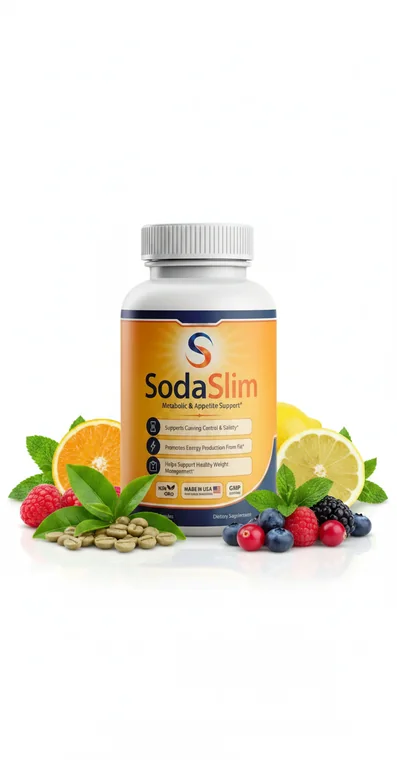
If there is one ingredient that shows up in almost every fat burner, thermogenic and metabolism supplement on the shelf, it is caffeine. That is not an accident. Of all the compounds marketed for weight loss, caffeine has the most consistent evidence behind it, which is precisely why it is worth being clear-eyed about what "the most evidence" actually amounts to. When it comes to caffeine and weight loss, the honest picture is a real but modest effect, a clear safety ceiling, and a set of practical rules that decide whether it helps you or just makes you jittery.
SodaSlim uses caffeine anhydrous, the dried, concentrated powder form, for its thermogenic contribution. Because caffeine is so common across diet, drinks and supplements, the important question is rarely "should I have any" but "how much, from where, and when." This guide answers those questions with numbers you can act on, and it draws the safety lines clearly so you get the benefit without the downside.
What caffeine actually does for weight loss
Caffeine influences weight in a few overlapping ways, and none of them is dramatic. The best-documented is a modest lift in metabolic rate: caffeine stimulates the nervous system and can raise energy expenditure and fat oxidation slightly for a few hours after a dose. Studies put this bump in the low single-digit to roughly ten percent range depending on the person and the amount, which sounds meaningful until you translate it into calories and realise it is a nudge, not a lever.
The second effect is on appetite. Caffeine can mildly and temporarily reduce the feeling of hunger for some people, which may make a calorie deficit easier to hold. The third is on exercise: caffeine reliably improves perceived effort and endurance performance, so a well-timed dose before training can help you work a little harder, which burns a little more. Add those small effects together and you get caffeine's honest job description, a helper that makes a diet and training plan slightly easier and slightly more effective, not a substitute for either.
How much caffeine for weight loss, really?
Most of caffeine's metabolic and appetite effects show up in the region of 100 to 200 mg per dose. That is roughly the caffeine in one to two cups of brewed coffee, and it is no coincidence that many weight-loss supplements in this category are formulated around 138 mg per serving, comfortably inside that effective window. The dose is chosen to capture the benefit while leaving room for the caffeine you get elsewhere in the day.
Crucially, the dose-response curve is not a straight line. Doubling the caffeine does not double the fat loss; past a certain point you get more jitters, a faster heart rate, anxiety and disrupted sleep with little extra metabolic payoff. This is one of the clearest cases in the supplement world where more is not better. A sensible serving that fits inside your daily total will do the useful part; a mega-dose mostly buys you side effects.
| Common source | Approximate caffeine | Note for weight loss |
|---|---|---|
| Supplement serving (this category) | ~138 mg | Inside the effective 100 to 200 mg window |
| Brewed coffee (8 oz) | ~95 mg | Varies widely by bean and brew |
| Espresso shot | ~63 mg | Small volume, concentrated dose |
| Black tea (8 oz) | ~47 mg | Gentler, longer-feeling lift |
| Cola (12 oz) | ~35 mg | Often overlooked in the daily total |
Want the caffeine amount printed, not hidden?
SodaSlim uses caffeine anhydrous at a stated dose alongside its botanical actives, so you can fit it into your daily total instead of guessing.
See the Official Store OfferIs 400 mg a day safe?
For most healthy adults, the US Food and Drug Administration has indicated that up to about 400 mg of caffeine a day is not generally associated with dangerous or negative effects. That figure is the single most useful number in this whole conversation, so it is worth stating plainly: about 400 mg a day, from all sources combined, is the ceiling most healthy adults should stay under. That includes your coffee, your tea, any soda, any pre-workout, and any weight-loss supplement.
Two caveats matter. First, "most healthy adults" is not everyone. People who are pregnant or breastfeeding, who have heart conditions or high blood pressure, who live with anxiety or panic disorders, or who take certain medications should aim far lower or avoid caffeine entirely, and should follow medical advice rather than a general ceiling. Second, sensitivity varies enormously between individuals for genetic reasons; some people feel wired at 100 mg while others barely notice 300 mg. The 400 mg figure is an upper bound, not a target to chase.

Does tolerance stop the fat-burning effect?
Partly, and this is where honesty separates a useful guide from a sales page. With regular daily use, the body adapts to caffeine over a few weeks, and part of the metabolic and appetite response is blunted. This is the same tolerance that turns your first-ever coffee into a jolt and your thousandth into a routine. The metabolic effect is not thought to vanish completely, but it does diminish, which means caffeine is at its most useful early and becomes a smaller helper the longer you rely on it unchanged.
There are a couple of ways to work with this. Cycling caffeine, taking a lower dose on some days or a short break of several days, can help restore sensitivity so a later dose does more. Keeping the dose modest in the first place also slows how fast tolerance climbs. The bigger lesson is expectation management: caffeine is a fading helper, not a permanent metabolic upgrade, and any plan that assumes a constant fat-burning boost from the same daily dose will quietly stop delivering. This ties into a broader truth about the whole category, which we cover in our guide to how long weight-loss supplements actually take to work and why patience beats escalation.
When should I take caffeine for weight loss?
Timing is where most people accidentally cancel out the benefit. Caffeine has a long half-life, often around five to six hours, meaning a meaningful fraction is still circulating many hours after you take it. A late-afternoon dose can therefore still be interfering with sleep at bedtime, and poor sleep is one of the most reliable ways to make weight loss harder, because it worsens appetite regulation, cravings and next-day activity.
The practical rule is to take caffeine early: in the morning, or before exercise if you train earlier in the day, so you capture the metabolic and performance benefits while your body has all day to clear it. Avoid caffeine within roughly six to eight hours of bedtime, and pull that window earlier still if you are sensitive. Protecting sleep is not a side issue here; it is part of the weight-loss strategy, and a well-timed dose respects that while a badly-timed one undermines it.
Caffeine taken early can help you lose weight. Caffeine taken late can help you sleep badly, and bad sleep quietly does the opposite. Same dose, opposite outcome, decided entirely by the clock.
Count every source, not just the supplement
The single most common mistake is treating a supplement's caffeine as if it exists in isolation. It does not. If you take a 138 mg serving, then drink two coffees and a cola across the day, you are well on your way to the ceiling before you count anything else. Pre-workout products are especially easy to forget and often carry very high doses on their own. Before adding any caffeinated supplement, add up what you already consume on a normal day, then make sure the new product fits underneath 400 mg rather than pushing you over it.
This is also why label transparency matters. A supplement that prints its caffeine content lets you do this arithmetic; one that buries caffeine inside a proprietary blend, or hides it under a botanical name, makes it impossible. Being able to count is the whole point, and it is a fair test to apply to any product, SodaSlim included.
Who should be cautious or avoid it
Caffeine is well tolerated by many people, but it is not for everyone. Anyone who is pregnant or nursing should follow the lower limits their clinician advises, typically well under the general adult ceiling. People with heart rhythm problems, high blood pressure, anxiety or panic disorders, sleep disorders, or acid reflux may find caffeine makes things worse. It can also interact with certain medications and other stimulants. If any of that describes you, the right move is a conversation with a healthcare professional, not a dosage chart. No modest metabolic nudge is worth a real health risk.
How SodaSlim doses caffeine
SodaSlim uses caffeine anhydrous, the concentrated dried form, at a stated serving alongside its botanical ingredients. The sensible way to judge that, or any thermogenic, is not by whether it "has caffeine" but by three things: whether the amount is printed rather than hidden, whether that amount sits inside the effective 100 to 200 mg window rather than an excessive mega-dose, and whether it leaves you room under your daily 400 mg ceiling once you count your coffee and tea. A formula that passes those three checks is dosing caffeine the way the evidence supports. One that fails them is relying on the word "caffeine" to do marketing work that the number would not.
Related reading

Green Coffee Bean Extract: The Evidence
Chlorogenic acid, the caffeine it carries and the trial doses behind green coffee bean extract.
Read the review →

How Long Do Weight-Loss Supplements Take to Work?
A realistic timeline for supplement effects, and why tolerance means sooner is not always better.
Read the review →
SodaSlim Reviews: Does It Really Work?
A plain-spoken look at the SodaSlim formula, its caffeine dose and what buyers should realistically expect.
Read the review →
Frequently asked questions
How much caffeine helps with weight loss?
Most of the modest metabolic effect shows up somewhere around 100 to 200 mg of caffeine per dose, which is why many weight-loss supplements in this category land near 138 mg per serving. More is not proportionally better, and pushing the dose higher mainly adds side effects rather than fat loss. The effect is real but small, and it only matters on top of a calorie deficit.
Is 400 mg a day safe?
For most healthy adults, up to about 400 mg of caffeine a day is generally considered safe by the US FDA. That is a total from all sources, including coffee, tea, soda, pre-workout and supplements. Individual tolerance varies a lot, and people who are pregnant, have heart conditions, anxiety or take certain medications should aim much lower or avoid it, on medical advice.
Does tolerance stop the fat-burning effect?
Tolerance does blunt caffeine's effects over a few weeks of regular use, including part of the metabolic and appetite response, though the effect is not thought to disappear entirely. Cycling caffeine or taking short breaks can help restore sensitivity. The bigger point is that tolerance makes caffeine a small, fading helper rather than a reliable long-term fat-loss tool.
When should I take caffeine for weight loss?
Earlier is better. Taking caffeine in the morning or before exercise captures the metabolic and performance benefits, while late-day dosing is the fastest way to wreck your sleep, and poor sleep works directly against weight loss. Caffeine has a long half-life, so avoid it within about six to eight hours of bedtime and adjust based on how sensitive you are.
Medical note: this article is general information, not medical advice. Speak to a healthcare professional before starting any supplement, especially if you are pregnant, nursing, sensitive to caffeine, or taking medication.
Scientific references
- US Food and Drug Administration — Spilling the Beans: How Much Caffeine is Too Much?
- Mayo Clinic — Caffeine: How much is too much?
- NIH Office of Dietary Supplements — Dietary Supplements for Weight Loss
- Tabrizi R. et al. — The effects of caffeine intake on weight loss: a systematic review and dose-response meta-analysis, Critical Reviews in Food Science and Nutrition (2019)
- Harvard T.H. Chan School of Public Health, The Nutrition Source — Caffeine
See exactly how SodaSlim doses its stimulants
If you want a formula that prints its caffeine amount instead of hiding it in a blend, SodaSlim lists caffeine anhydrous and its other actives on the panel, with the current official-store offer, free US shipping and a 60-day money-back window.
Check the Official Store Offer