Green Coffee Bean Extract: What the Evidence Really Says
Quick Answer: Does Green Coffee Bean Extract Help You Lose Weight?
Green coffee bean extract may offer a small, real nudge, not a miracle. Its main active, chlorogenic acid, might slightly slow glucose absorption and dull appetite, and short trials show minor weight differences on weak methods. Treat it as a modest helper alongside a calorie deficit, never a replacement for one.
- Chlorogenic acid is the point: roasting destroys it, so extracts use green, unroasted beans.
- The evidence is thin: small, short, often industry-funded studies with modest effects.
- It carries caffeine: count it toward your daily total and skip late-day doses.
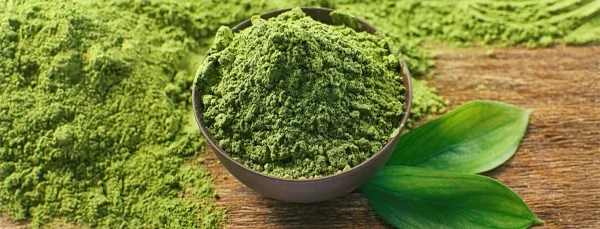
Walk down any weight-loss aisle, scroll any supplement ad, and green coffee bean extract is almost certainly there. It rode a wave of daytime-television hype years ago, and it has never fully left the conversation since. SodaSlim includes it as one of its chlorogenic-acid sources, which is exactly why it deserves a straight answer rather than a sales pitch. So here is the straight answer: the ingredient is real, the mechanism is plausible, and the evidence behind the biggest claims is much weaker than the marketing suggests.
The goal of this article is not to sell you on a coffee-bean pill or to sneer at it. It is to weigh green coffee bean extract against the actual trials, separate what is plausible from what is oversold, and give you a frame for deciding whether it belongs in your routine at all. If you want a supplement to do the work of a diet, no ingredient on earth will satisfy you. If you want a modest, honest helper on top of the work, keep reading.
What green coffee bean extract actually is
Coffee beans are green before they are roasted. Roasting is what turns them brown, develops the flavour we associate with a cup of coffee, and, crucially, destroys a large share of a plant compound called chlorogenic acid. Green coffee bean extract exists precisely to skip that step: the beans are left unroasted and processed so that the chlorogenic acid survives into the finished ingredient. In other words, the entire reason the extract is made from green beans is to keep the compound that roasting would burn away.
That is worth understanding because it explains why you cannot simply drink more coffee and expect the same thing. Your morning brew delivers plenty of caffeine and some chlorogenic acid, but roasting has already taken most of the latter. The extract concentrates what the roast removes. It is a genuine ingredient with a genuine rationale, not a marketing invention layered on top of ordinary coffee.
What chlorogenic acid may do in the body
Chlorogenic acid is a family of polyphenol compounds, and researchers are interested in two effects in particular. The first is on glucose: laboratory and small human studies suggest chlorogenic acid may slow the absorption of glucose in the gut and modestly blunt the blood-sugar rise after a meal. The second is on appetite and fat metabolism, where the evidence is softer and more mechanistic than practical. There is also broad interest in chlorogenic acid as an antioxidant, though antioxidant activity in a test tube is not the same as weight loss in a person.
The honest framing is that these are plausible mechanisms, not proven outcomes. A compound that slightly slows glucose absorption could, in theory, help with the appetite swings that drive snacking, and could nudge the body toward using fat. But "could, in theory" is doing heavy lifting in that sentence. The distance between a plausible mechanism and a meaningful result on the scale is exactly where most supplement marketing quietly cheats, and it is where you should be most skeptical.
What the trials actually show about green coffee bean extract
Here is where the story gets uncomfortable for the marketing. A frequently cited 2011 systematic review pooled the available randomised trials and concluded that green coffee extract produced a modest reduction in body weight compared with placebo, but the authors were explicit that the studies were few, small, of poor methodological quality, and short in duration. Their conclusion was not "it works" but "the evidence is limited and larger, better trials are needed." That is a very different message from the front of a bottle.
The category also carries a genuine scandal worth knowing about. One of the studies that helped launch the green coffee craze was later retracted, and in 2014 the US Federal Trade Commission took action against a company that had sponsored a flawed green coffee weight-loss study used to market the ingredient. That episode is not proof the ingredient is useless, but it is a permanent reminder of how easily weak science gets dressed up as a breakthrough. When you read a confident claim about green coffee bean extract, ask who ran the study, how many people were in it, how long it lasted, and who paid for it.
The most honest thing anyone can say about green coffee bean extract is that the mechanism is plausible and the evidence is modest. Everything past that is either hope or hype.
None of this makes the ingredient a fraud. Modest is not the same as nothing, and a small, real effect can still be a worthwhile part of a broader plan. It simply means the ingredient should be sold and bought with modest expectations, and that is not usually how it is marketed.
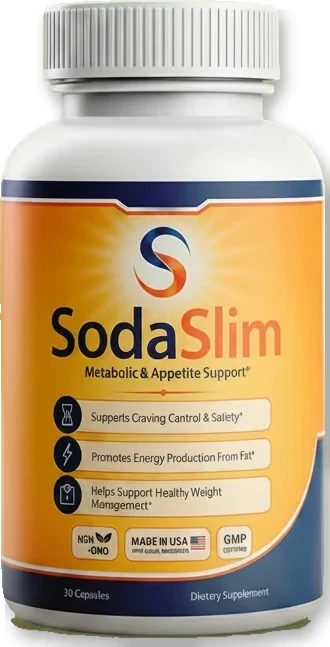
Want the full ingredient panel in one place?
SodaSlim is a once-daily botanical formula that lists green coffee bean extract alongside its other actives, with every amount printed on the label rather than hidden in a blend.
See the Official Store OfferDoes green coffee bean extract contain caffeine?
Yes, and this catches people out. Because the beans are unroasted rather than decaffeinated, green coffee bean extract naturally contains caffeine. The amount is usually lower than an equivalent serving of roasted coffee, but it is not zero, and it varies from product to product depending on how the extract is made and dosed. If you are sensitive to stimulants, already drink several coffees a day, or take other supplements that contain caffeine, the extract adds to a total you may not be tracking.
This matters for two reasons. First, some of what people feel from green coffee products, that mild lift or appetite suppression, may simply be the caffeine rather than the chlorogenic acid. Second, stacking caffeine sources without realising it is the most common way people end up jittery, anxious or sleepless from a "natural" supplement. If you want to understand the stimulant side of this properly, our companion guide on how much caffeine actually helps with weight loss lays out effective and safe amounts, and it pairs directly with this article.
What dose was used in studies?
This is the question that separates a serious product from a decorative one, and it is the hardest to answer cleanly because studies are inconsistent. Many trials used green coffee bean extract standardised to a specific amount of chlorogenic acid, commonly a few hundred milligrams of chlorogenic acid per day, split across one to three doses. The total weight of the extract is much less informative than the chlorogenic acid content, because a large-sounding milligram figure can still deliver very little of the active compound if standardisation is low.
The practical takeaway is to read the label for two numbers, not one: how many milligrams of extract, and what percentage or amount of that is chlorogenic acid. A product that names its chlorogenic acid content is telling you something the studies actually measured. A product that lists only a big extract number, or buries it inside a proprietary blend, is making it impossible for you to compare it against the research at all. That transparency, rather than the raw milligram count, is the fairest thing to judge a green coffee ingredient on.
Three myths worth clearing up
Myth one: it melts fat on its own. No ingredient does. Even in the more favourable studies, green coffee bean extract produced small differences against a placebo, and those studies still involved people who were, at minimum, not overeating wildly. The scale moves because of a calorie deficit; a supplement can only ever operate at the margins of that.
Myth two: natural means proven. Chlorogenic acid is natural, and so is the caffeine that comes with it, but "natural" is a description of origin, not a claim about effectiveness or safety. Plenty of plant compounds do nothing useful, and a few do harm. The question is always what the evidence shows, not where the compound came from.
Myth three: if it did nothing, it would not be everywhere. Ingredients become popular for reasons that have little to do with how well they work, including cost, a good story, and one high-profile television moment. Ubiquity is a marketing outcome, not a scientific verdict. This is the same standard we apply across the category, including in our review of the evidence behind green tea and garcinia for weight loss, where some ingredients hold up better than others.
How SodaSlim uses green coffee bean extract, honestly
SodaSlim positions green coffee bean extract as one contributor among several botanicals rather than a standalone cure, which is the correct framing given the evidence. The sensible reason to combine ingredients is that each may add a small effect; the cynical reason is that a long list looks more impressive on a label. You can tell the difference by whether the amounts are printed. When a formula names its ingredients and their doses, you can hold it to the research. When it hides them in a blend, you cannot, and that alone should shape how much you trust it.
Our position is consistent: green coffee bean extract is a plausible, modestly supported ingredient that is worth including at a real dose and worth ignoring when it is used as label decoration. Judge any product, SodaSlim included, on whether it tells you the chlorogenic acid content, sets realistic expectations, and is honest that a supplement supports a diet rather than replacing one.
The honest bottom line
Green coffee bean extract is not snake oil and it is not a breakthrough. It is a real ingredient with a plausible mechanism, thin and inconsistent human evidence, a modest best-case effect, and a caffeine content you should account for. Used with those expectations, on top of a calorie-controlled diet and regular movement, it is a reasonable thing to include. Used as a reason to skip the diet, it will disappoint you every time. That is the whole story, and any version that sounds more exciting than this is selling you something.
Related reading
Garcinia Cambogia: Does It Actually Work?
The hydroxycitric acid claims weighed against the trials, and where the evidence for garcinia cambogia runs out.
Read the review →
Caffeine for Weight Loss: How Much?
Effective and safe amounts of caffeine for fat loss, the 400 mg ceiling, tolerance and timing.
Read the review →
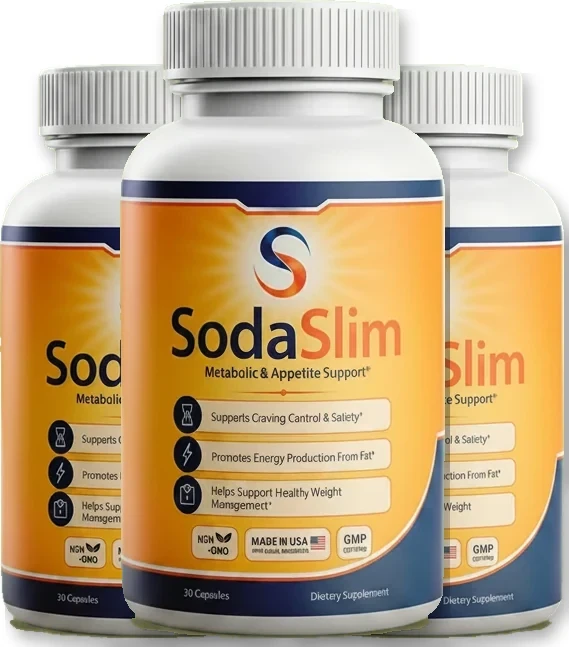
SodaSlim Reviews: Does It Really Work?
A plain-spoken look at the SodaSlim formula, its ingredients and what buyers should realistically expect.
Read the review →
Frequently asked questions
Does green coffee bean extract help you lose weight?
The honest answer is a small maybe. Several short trials report modest weight differences versus placebo, but most were small, briefly run and funded by parties with a commercial interest, so the effect is weak and inconsistent. Green coffee bean extract may give a diet a slight nudge, but it is not a weight-loss mechanism on its own and does nothing without a calorie deficit.
What is chlorogenic acid?
Chlorogenic acid is a family of plant compounds found in high amounts in unroasted coffee beans. It is the active most often credited in green coffee bean extract, and researchers think it may slightly slow the absorption of glucose in the gut and influence appetite signalling. Roasting coffee destroys much of it, which is why extracts are made from green, unroasted beans.
Does green coffee bean extract contain caffeine?
Yes. Green coffee beans naturally contain caffeine, so the extract carries some, though usually less than an equivalent amount of roasted coffee. The exact figure depends on the extract and dose. If you are caffeine sensitive or already drink coffee, count the extract toward your daily total and avoid taking it late in the day.
What dose was used in studies?
Trials vary widely, but many used green coffee bean extract standardised to a set amount of chlorogenic acid, commonly in the range of a few hundred milligrams of chlorogenic acid per day taken across one to three doses. Because standardisation differs between products, the milligrams on one label are not directly comparable to another unless the chlorogenic acid content is stated.
Medical note: this article is general information, not medical advice. Speak to a healthcare professional before starting any supplement, especially if you are pregnant, nursing, sensitive to caffeine, or taking medication.
Scientific references
- Onakpoya I. et al. — The use of green coffee extract as a weight loss supplement: a systematic review and meta-analysis, Gastroenterology Research and Practice (2011)
- US Federal Trade Commission — Green coffee bean manufacturer settles FTC charges over a flawed weight-loss study (2014)
- NIH NCCIH — Dietary Supplements for Weight Loss: What You Need To Know
- Harvard T.H. Chan School of Public Health, The Nutrition Source — Coffee and chlorogenic acids
- Mayo Clinic — Caffeine: How much is too much?
Ready to see the full formula?
If a botanical formula built on named, dosed ingredients fits your routine, SodaSlim lists green coffee bean extract and its other actives on the panel, with the current official-store offer, free US shipping and a 60-day money-back window.
Check the Official Store Offer