Garcinia Cambogia Weight Loss: Does It Actually Work?
Quick Answer: Does Garcinia Cambogia Work for Weight Loss?
A little, and inconsistently. The garcinia cambogia weight loss effect measured in pooled human trials is small — on average around 0.9 kg more than placebo — and a landmark trial found no benefit at all. Its active, hydroxycitric acid (HCA), may modestly curb appetite. It is well tolerated at label doses, works only alongside diet, and is best treated as a minor assist rather than a fat burner.
- Small, mixed effect: meta-analyses average roughly 0.9 kg over placebo; individual trials disagree.
- HCA is the active: thought to affect appetite and one fat-storing enzyme, not to "burn" fat.
- Not a standalone fix: any benefit needs a calorie deficit doing the real work.
Few supplement ingredients have ridden a bigger wave of hype than this one. After a burst of television promotion a decade ago, garcinia cambogia weight loss claims spread everywhere — "dual-action fat buster," "no diet needed," "the holy grail." Then the research caught up, and the picture turned out to be far more modest than the marketing. This article separates the two: what garcinia actually is, what the human trials measured, the myths worth retiring, and how to use it honestly if you decide to. It is also one of the actives inside SodaSlim, so we have a direct interest in describing it accurately rather than generously.
The short version is that garcinia is neither a scam nor a miracle. It sits in the awkward middle where a lot of botanical ingredients live: a plausible mechanism, a pile of small and contradictory studies, and a real but tiny average effect that only shows up when diet is doing the heavy lifting. That middle is less exciting than either extreme, but it is the truth, and it is more useful for making a decision.
The garcinia cambogia weight loss claim, and where it came from
Garcinia cambogia is a tropical fruit, sometimes called Malabar tamarind, native to Southeast Asia and India. The rind is rich in hydroxycitric acid, and it is HCA — not the fruit itself — that supplement makers extract, concentrate and put in capsules. Traditionally the fruit was used in cooking and to add a sour note to meals; the leap from culinary ingredient to "fat buster" happened in a marketing studio, not a laboratory.
That origin matters because it explains the gap between promise and proof. The claims arrived first and loudest, driven by promotion, and the evidence has spent years quietly failing to live up to them. When you strip away the branding, garcinia is an appetite-oriented ingredient with a specific compound behind it and a thin, mixed research record — which is a very different thing from the transformation the ads described.
What the meta-analyses actually measured
Here the numbers do the arguing. When researchers pool the randomised controlled trials of garcinia cambogia for weight loss, the average difference between garcinia and placebo comes out small — on the order of 0.9 kg, roughly two pounds, and even that estimate is fragile. The trials are mostly short, small, and of variable quality, and their results scatter widely: some report a modest edge, others report nothing.
The most famous data point is the null one. A rigorous 1998 randomised controlled trial published in JAMA compared garcinia against placebo in overweight adults and found no significant difference in weight or fat loss. Later reviews softened that slightly by averaging in more studies, but the headline never really changed: whatever garcinia does, it is small enough that well-designed trials struggle to see it consistently. When the best estimate of an effect is two pounds and the confidence around it includes zero, honesty means calling it minor. This is the same pattern we found across the category in our review of the evidence behind green tea, green coffee and garcinia.
It is worth sitting with why the results scatter so much, because it tells you something about the ingredient. When an effect is genuinely large, small studies still catch it — the signal is loud enough to hear over the noise. When trials disagree as much as garcinia's do, with some showing a couple of pounds and others showing nothing, the most likely explanation is that the true effect is close to the floor, and each study is mostly measuring its own diet protocol, its own participants and its own chance variation. That is not a smoking gun of fraud; it is the statistical fingerprint of a weak ingredient. A reviewer averaging those trials arrives at a small number precisely because a small number is what is really there.
| Question | What the evidence says |
|---|---|
| Average weight effect vs placebo | Small, roughly 0.9 kg in pooled analyses; often not significant |
| Landmark RCT (JAMA, 1998) | No significant difference from placebo |
| Trial quality | Mostly short, small, mixed quality |
| Effect without diet | No meaningful weight loss on its own |
How HCA is supposed to work
The proposed mechanism is worth understanding, because it explains both the appeal and the limits. Hydroxycitric acid is thought to inhibit citrate lyase, an enzyme involved in converting excess carbohydrate into stored fat, and to nudge appetite — possibly through effects on serotonin — so that people eat a little less. On paper that sounds like a "dual action," and that phrase became the marketing hook.
In practice, a plausible mechanism in a test tube does not guarantee a meaningful effect in a person, and garcinia is a textbook example of that gap. Blocking one fat-storing enzyme is not the same as producing weight loss when the body has many overlapping pathways, and a modest appetite nudge only helps if it actually changes how much you eat over weeks. The mechanism is real enough to be interesting; it is just not powerful enough to override the calorie arithmetic that governs body weight.
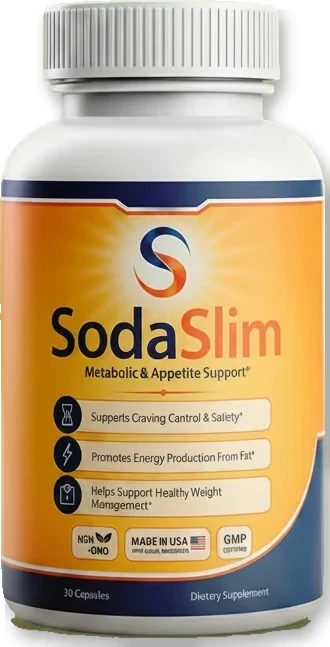
See how garcinia is dosed in SodaSlim
SodaSlim combines garcinia cambogia with green tea and green coffee in a once-daily drink, with each amount printed on the panel — no proprietary blend hiding the HCA.
See the Official Store OfferMyth versus measurement: three claims to retire
Three claims did most of the heavy lifting in garcinia's rise, and all three deserve to be put down.
Myth: "It burns fat." Garcinia does not burn fat in any direct, thermogenic sense. Its proposed actions are to blunt appetite and slow one storage enzyme. Even taken at face value, that is about eating and storing slightly less — not about torching existing fat. The word "burn" was always doing marketing work the biology could not back up.
Myth: "No diet or exercise required." This is the opposite of what the trials show. In every study where garcinia helped at all, participants were on a reduced-calorie diet; the supplement was, at most, a small addition to that. A capsule taken alongside an unchanged diet is not what any of the positive research tested.
Myth: "More is better." Loading up on HCA does not scale the effect. Higher doses have not reliably produced larger results, and pushing the dose mainly raises the odds of side effects, including the rare liver concerns noted below. The right amount is a defensible label dose, not the biggest number you can find.
Garcinia's real record is two pounds and a shrug. That is not nothing — but it is a long way from the "fat buster" the ads sold, and pretending otherwise helps no one.
Dosing, timing and side effects
If you have weighed the modest evidence and still want to try it, use it sensibly. Most studies used extract standardised to 50–60% HCA, delivering somewhere around 1,500–2,800 mg of hydroxycitric acid a day, split into doses taken 30–60 minutes before meals — the pre-meal timing lines up with the appetite rationale. Crucially, read the label for the HCA amount, not just the extract weight, since a big "1,000 mg garcinia" number can hide a small fraction of actual HCA.
On safety, garcinia is generally well tolerated at label doses; the common complaints are mild — digestive upset, headache, nausea. The one caution that carries real weight is rare but serious: high-dose garcinia has been linked in case reports to liver injury, sometimes in multi-ingredient products. Anyone who is pregnant or nursing, has a liver condition, or takes medication (including antidepressants, given the serotonin angle) should avoid it or clear it with a doctor first, and stop immediately at any sign of liver trouble. That is a genuine medical caution, not boilerplate.
One practical point often gets lost in the dosing debate: consistency matters more than the exact milligram figure. Whatever modest appetite effect garcinia offers only shows up if you take it reliably before meals across weeks, and only registers on the scale if the meals themselves are smaller. A bottle taken haphazardly, or taken faithfully alongside an unchanged diet, will look like a failure — not because the schedule was wrong, but because the ingredient was never carrying the result in the first place. Set your expectations to "small assist to a plan you are already following," and garcinia can occupy a sensible place in a routine. Set them to "the thing that does the work," and it will disappoint every time.
Where garcinia fits in SodaSlim
We include garcinia cambogia in SodaSlim, and we would rather tell you exactly why than oversell it. Garcinia is not the star of the formula and we do not pretend it is; it is a supporting, appetite-oriented ingredient that sits alongside the better-studied thermogenics — green tea and green coffee — where more of any real-world effect tends to come from. What SodaSlim does differently is show its work: the garcinia amount is printed on the panel rather than buried in a proprietary blend, so you can judge it against the doses described above instead of taking a combined number on faith.
The honest bottom line is the one this whole article has been building toward. Garcinia cambogia is a minor, well-tolerated assist with a small and inconsistent evidence base — useful as part of a fully dosed formula and a calorie deficit, useless as a stand-alone shortcut. If that realistic framing is what you were looking for, and you want a transparent product that treats garcinia as a supporting act rather than a miracle, you can see how it is dosed and priced on the official store.
Frequently asked questions
Does garcinia cambogia really burn fat?
Not in any dramatic sense. Garcinia cambogia does not burn fat directly; its active, hydroxycitric acid, is thought to modestly curb appetite and slow one fat-storing enzyme. Pooled analyses of human trials show a small, inconsistent average weight difference of roughly 0.9 kg over placebo, and a landmark trial found none at all. It is a minor appetite-oriented assist alongside a calorie deficit, not a fat-burning shortcut.
How much HCA per day?
Most human studies used garcinia extract standardised to 50 to 60 percent hydroxycitric acid, delivering somewhere between roughly 1,500 and 2,800 mg of HCA a day, split across doses. There is no official recommended amount, and more is not better; higher doses do not reliably produce larger effects. Stick to the amount stated on a fully dosed label and check that it names the HCA content rather than just the extract weight.
Any side effects to know?
At label doses, garcinia cambogia is generally well tolerated, with the most common complaints being mild digestive upset, headache or nausea. The more important caution is rare: high-dose garcinia has been linked in case reports to liver problems, sometimes in combined products. Anyone with liver conditions, on medication, pregnant or nursing should avoid it or speak to a doctor first, and stop if any signs of liver trouble appear.
Should I take it before meals?
Yes, the usual approach is to take garcinia cambogia about 30 to 60 minutes before meals, because its proposed appetite effect is most useful going into eating. Splitting the daily amount across two or three pre-meal doses is common. That said, timing is a minor detail compared with the dose and, above all, the diet it sits alongside; no pre-meal schedule turns garcinia into a stand-alone weight-loss method.
Medical note: this article is general information, not medical advice. Speak to a healthcare professional before starting any supplement, especially if you are pregnant, nursing, sensitive to caffeine, or taking medication.
Scientific references
- Heymsfield S.B. et al. — Garcinia cambogia (hydroxycitric acid) as a potential antiobesity agent, JAMA (1998)
- Onakpoya I. et al. — The use of Garcinia extract (HCA) as a weight loss supplement: a systematic review and meta-analysis of RCTs
- NIH NCCIH — Garcinia Cambogia
- NIH LiverTox — Garcinia Cambogia (hepatotoxicity)
- NIH NCCIH — Dietary Supplements for Weight Loss: What You Need To Know
Related reading
- Green coffee bean extract weight loss evidence — the chlorogenic acid data, tested the same way.
- SodaSlim reviews: does it work? — an honest look at the full formula and what to expect.
- Caffeine for weight loss: how much you actually need — the thermogenic that does most of the real work.
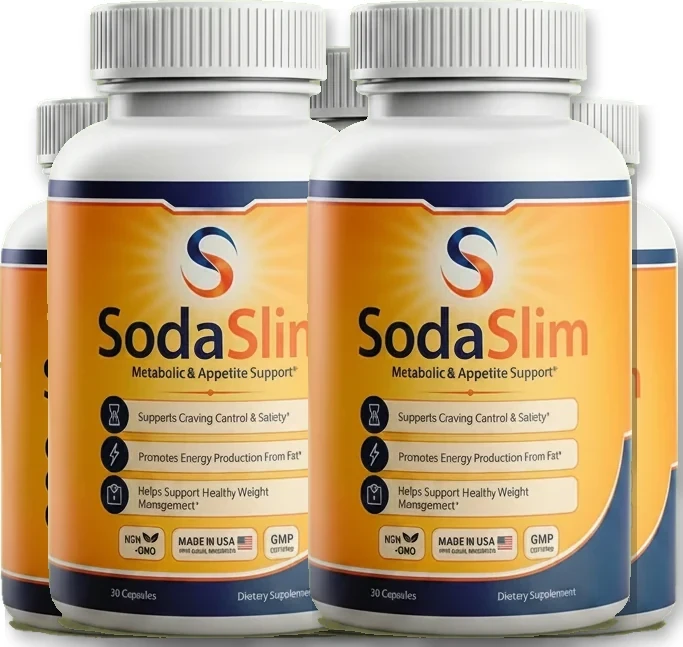
Garcinia done honestly — in a fully dosed formula
SodaSlim pairs garcinia cambogia with green tea and green coffee in one daily drink, every amount on the panel, GMP-made, with free US shipping and a 60-day money-back window on the official store.
Check the Official Store Offer