How to Choose the Best Gut Health Supplements: A Buyer's Checklist
Quick Answer: How Do You Choose a Gut Health Supplement?
Start on the back of the bottle, not the front. The best gut health supplements name every active ingredient with its amount, name any live cultures down to the strain designation rather than hiding them in a blend, and deliver those ingredients in the range actually used in published human research. Everything printed on the front of the pack is marketing language with no fixed definition; the Supplement Facts panel is the only part of the label you can verify.
- Disclosure: each active named with its own milligram or gram amount — no proprietary blend swallowing the doses.
- Live cultures: genus, species and strain designation, plus a count guaranteed through the end of shelf life rather than at manufacture.
- Fibre: measured in grams per serving. A digestive formula supplying a fraction of a gram is a flavouring, not a dose.
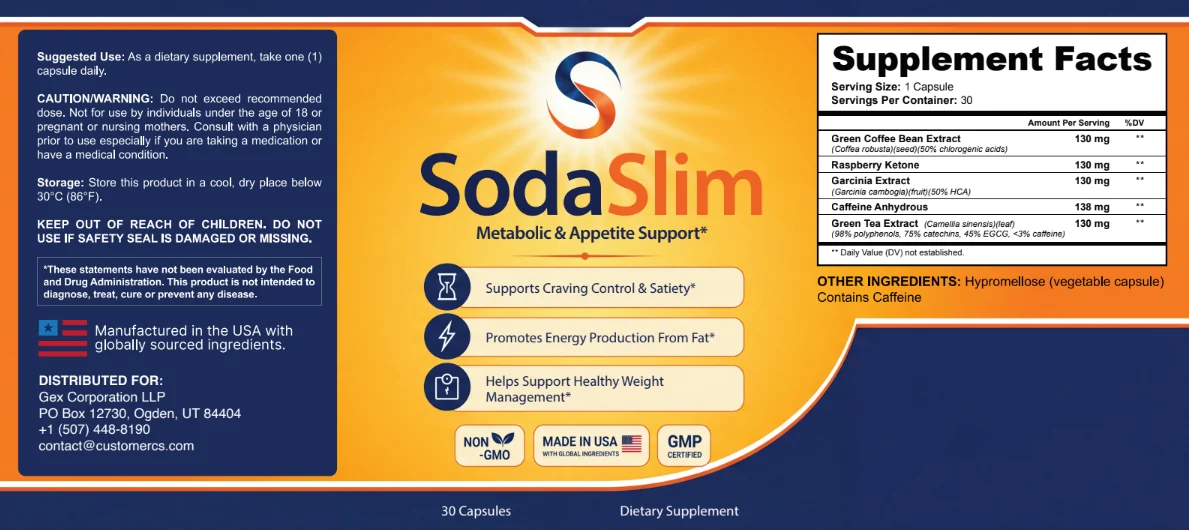
Turn the bottle around before you read anything else
The front of a supplement pack is written by a marketing team. The Supplement Facts panel is written under federal labelling rules. That single difference is why a checklist is worth having at all. Phrases such as "gut-friendly", "clinically inspired", "advanced biotic complex" and "5-in-1 digestive matrix" have no legal definition and commit the manufacturer to nothing. The panel does commit them: it has to list each dietary ingredient, the amount per serving, and how big a serving is.
Two habits follow from that, and neither takes more than ten seconds. First, read the serving size before you read a single number, because a panel that looks generous at three capsules per serving is a very different product from the same figures at one capsule. Comparing two products without normalising the serving size is the most common way shoppers talk themselves into the weaker one. Second, read the "Other Ingredients" line printed underneath the panel — that is where fillers, sweeteners, flow agents, colourings and allergen carriers live, and it is frequently longer than the active list. Between them, those two habits eliminate a large part of the category before you have compared anything at all.
Check 1: named actives, each with its own amount
United States labelling rules allow a manufacturer to group several ingredients into a "proprietary blend" and disclose only the total weight of the blend, with the components listed in descending order by weight. That is entirely legal, and it is also a wall. A 1,200 mg "Digestive Harmony Blend" could plausibly be almost entirely the cheapest bulk fibre, with a token dusting of every impressive-sounding botanical named after it, and nothing on the label would contradict that reading.
A product that can defend its amounts has no reason to build that wall. When a blend appears, you are being asked to trust rather than to check, and there is no way to compare the product against anything else on the shelf. If two formulas look broadly similar and only one discloses its per-ingredient amounts, the disclosing one is the better purchase on information grounds alone — before you have formed any opinion about the ingredients themselves.
Check 2: does the dose match what was actually studied?
A named ingredient at a meaningless amount is still meaningless. Fibre makes this obvious: fibre research is conducted in grams, and a capsule physically cannot carry a studied fibre dose. A few hundred milligrams of psyllium spread across a two-capsule serving is a rounding error next to the several grams per day used in clinical work, and no amount of packaging design closes that gap. The same logic applies in the other direction to concentrated botanical extracts, where the studied amounts are genuinely small and a capsule is a sensible delivery format.
The table below is a rough orientation, not a prescription. It exists so that when you read a panel you have some sense of whether the number in front of you is in the neighbourhood of the research or an order of magnitude away from it.
| Ingredient category | Amount commonly used in human studies | Strength of the evidence | Realistic format |
|---|---|---|---|
| Psyllium husk (soluble fibre) | Several grams per day, usually split across doses | Reasonably well established for stool bulk and regularity | Powder or many capsules |
| Inulin / FOS (prebiotic fibre) | Several grams per day | Emerging; gas and bloating are common at higher amounts | Powder |
| Partially hydrolysed guar gum | Several grams per day | Limited but generally well tolerated in trials | Powder |
| Live cultures (probiotics) | Counted in billions of colony-forming units daily | Strain-specific; results do not transfer between strains | Capsule or sachet |
| Concentrated botanical extracts | Typically in the hundreds of milligrams | Ranges from modest to very thin, ingredient by ingredient | Capsule |
A supplement that names its ingredients and states its doses can be judged on the evidence. One that hides behind a blend can only be believed.
Prefer a formula that prints its numbers?
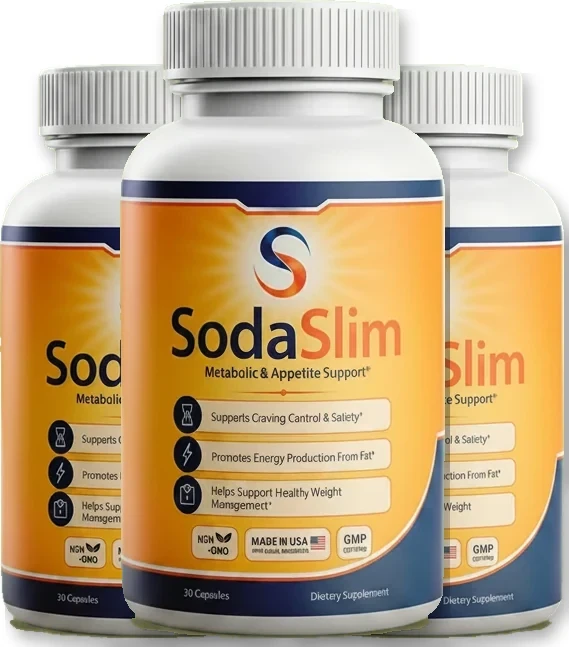
SodaSlim names all four of its botanical actives and their milligram amounts on the panel rather than burying them in a blend. Same checklist, applied to a metabolic and appetite formula.
See the Official Store OfferCheck 3: live cultures need a genus, a species and a strain
If a formula contains probiotics, the naming convention is the whole story. A proper entry has three parts: the genus, the species, and a strain designation, which is usually a short alphanumeric code assigned by whoever deposited the culture. A label that says only "probiotic blend" or gives a genus alone is telling you close to nothing, because the published work in this field is strain-specific. Findings from one strain do not automatically transfer to a relative sharing the same species name, and the scientific consensus statement that defines the term is explicit that a probiotic must be adequately characterised at strain level.
The second half of the check is the count and where it is measured. A number "at time of manufacture" is the easiest number to publish and the least useful one to a buyer, because live cultures decline over shelf life. A count guaranteed through the printed expiry date is a meaningfully stronger commitment. We work through the naming and count questions in detail in choosing a probiotic by strain rather than by marketing claims.
What separates the best gut health supplements from the rest
Strip away the packaging and the differences come down to four habits. The stronger products disclose their amounts, dose in the range that research actually used, name their cultures properly, and describe what they do in restrained language. The weaker ones do the opposite on every count, and then compensate with claims. Search listings for the best gut health supplement brands are ranked largely by pack design and advertising budget, neither of which appears anywhere on the panel, so the ordering you see tells you almost nothing about which formula is better made.
Restraint in the copy is a surprisingly reliable signal. A dietary supplement is not permitted to claim it treats, cures or prevents any condition, and a company willing to write that it "supports digestive comfort as part of a balanced diet" is usually a company that also had to defend its panel to somebody. Copy that promises to fix a named medical problem tells you the manufacturer is comfortable saying things it cannot support, which is worth knowing before you evaluate anything else it prints.
Check 4: stimulants, sweeteners and the "gut plus energy" blend
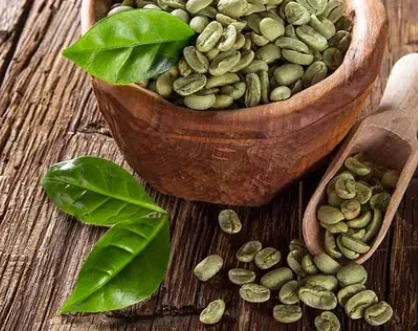
Combination products are where surprises hide. A formula sold for digestive comfort and daily energy in the same sentence often contains caffeine-bearing botanical extracts — green tea and green coffee both carry naturally occurring caffeine, and neither is always flagged in large type on the front. If you already drink coffee, that is a stacking question worth answering before you buy rather than after.
Sweeteners deserve the same attention, and here there is a genuine irony. "Best gut health supplement bloating" is one of the most searched phrases in this category, yet sugar alcohols such as sorbitol, xylitol and maltitol — common in flavoured powders and gummies — are themselves a well-documented cause of gas and loose stools in sensitive people at everyday amounts. So are the fermentable prebiotic fibres many of these products are built on. A formula can be perfectly honest and still produce exactly the symptom you bought it to settle.
For context, SodaSlim, the formula this site covers, is a metabolic and appetite capsule rather than a digestive one, and its caffeine-bearing botanicals are stated on the panel. Our full breakdown of the SodaSlim formula shows the panel in full and applies the same standards used in this checklist.
Check 5: third-party testing, storage and the date on the bottle
Dietary supplements in the United States are not approved by the FDA before sale. Manufacturers are responsible for their own safety and labelling, and enforcement is largely after the fact. That places an unusual amount of weight on voluntary verification. Independent certification marks — the kind of programme that tests finished product for identity, contaminants and label accuracy — are not a guarantee of effectiveness, and they are frequently oversold as one, but they do address a genuinely different question: whether what is in the bottle matches what is printed on it.
Storage and dating matter more here than in most supplement categories, because live cultures are perishable in a way that a mineral is not. Check whether the pack asks for refrigeration, check the expiry date rather than the manufacture date, and be sceptical of anything sold loose or in an unsealed container. If the label offers no storage guidance at all for a product containing live organisms, that silence is itself information.
What this checklist cannot do
Being straight about the limits: a checklist screens out badly made products. It cannot tell you that a well-made one will work for you. The gut microbiome varies enormously between individuals, effects in this field are strain- and dose-specific, and most published work runs for weeks in selected groups of participants rather than years in the general population. A formula that passes every check above may still do nothing noticeable for you, and there is no way to know that in advance.
Two further limits are worth stating plainly. First, a finished multi-ingredient product is not the same thing as any single studied dose — ingredients can each have some supporting research while the specific combination sitting in front of you has never been tested as sold. Second, no supplement in this category substitutes for the boring things that have the most evidence behind them: a varied diet with plenty of plants and fibre from food, adequate sleep, and movement. Fibre from food comes bundled with everything else in the plant; fibre from a tub does not. If a product is presented as an alternative to those foundations rather than an addition to them, the presentation is the problem.
Frequently asked questions
What should I look for first in a gut health supplement?
Look at the Supplement Facts panel before anything on the front of the pack. Check that every active ingredient is named with its own amount, that the serving size matches what you are willing to take daily, and that any live cultures are identified by genus, species and strain. A proprietary blend that hides individual amounts is the single clearest reason to put a product back.
Are gut health supplements regulated by the FDA?
Not in the way medicines are. In the United States dietary supplements do not need FDA approval before they go on sale, and manufacturers are responsible for their own labelling and safety, with enforcement happening mainly after a product is already on the market. That is why independent third-party testing marks and full ingredient disclosure carry so much weight when you are comparing options.
Is a powder better than a capsule for gut health?
It depends entirely on the ingredient. Fibre is dosed in grams, so a powder or sachet is the only realistic format for a studied fibre amount. Concentrated botanical extracts and live cultures are dosed in milligrams or colony-forming units and fit comfortably in a capsule. Neither format is better in general, so match the format to what the ingredient requires.
How long should I try a gut supplement before deciding?
Give it several weeks of consistent daily use, and start any fermentable fibre at a low amount before building up. Digestive changes in the first few days are often just adjustment rather than benefit. If nothing has changed after six to eight weeks of consistent use, that is a reasonable point to stop, and a product with a genuine money-back window makes that decision easier.
Medical note: this article is general information, not medical advice. Speak to a healthcare professional before starting any supplement, especially if you are pregnant, nursing, sensitive to caffeine, or taking medication.
Scientific references
- NIH Office of Dietary Supplements — Dietary Supplements for Weight Loss: Fact Sheet for Health Professionals
- NIH NCCIH — Probiotics: What You Need To Know
- Harvard T.H. Chan School of Public Health, The Nutrition Source — Fiber
- Mayo Clinic — Dietary fiber: Essential for a healthy diet
- Hill C. et al. — ISAPP consensus statement on the scope and appropriate use of the term probiotic, Nat Rev Gastroenterol Hepatol (2014)
Applying the checklist to SodaSlim
If you are working out where to buy a supplement that states its actives openly, SodaSlim prints all four botanicals and their amounts on the panel — green coffee bean, green tea, garcinia cambogia and raspberry ketone — with the current official-store offer and a 60-day money-back window.
Check the Official Store Offer